PEM Water
Electrolysis

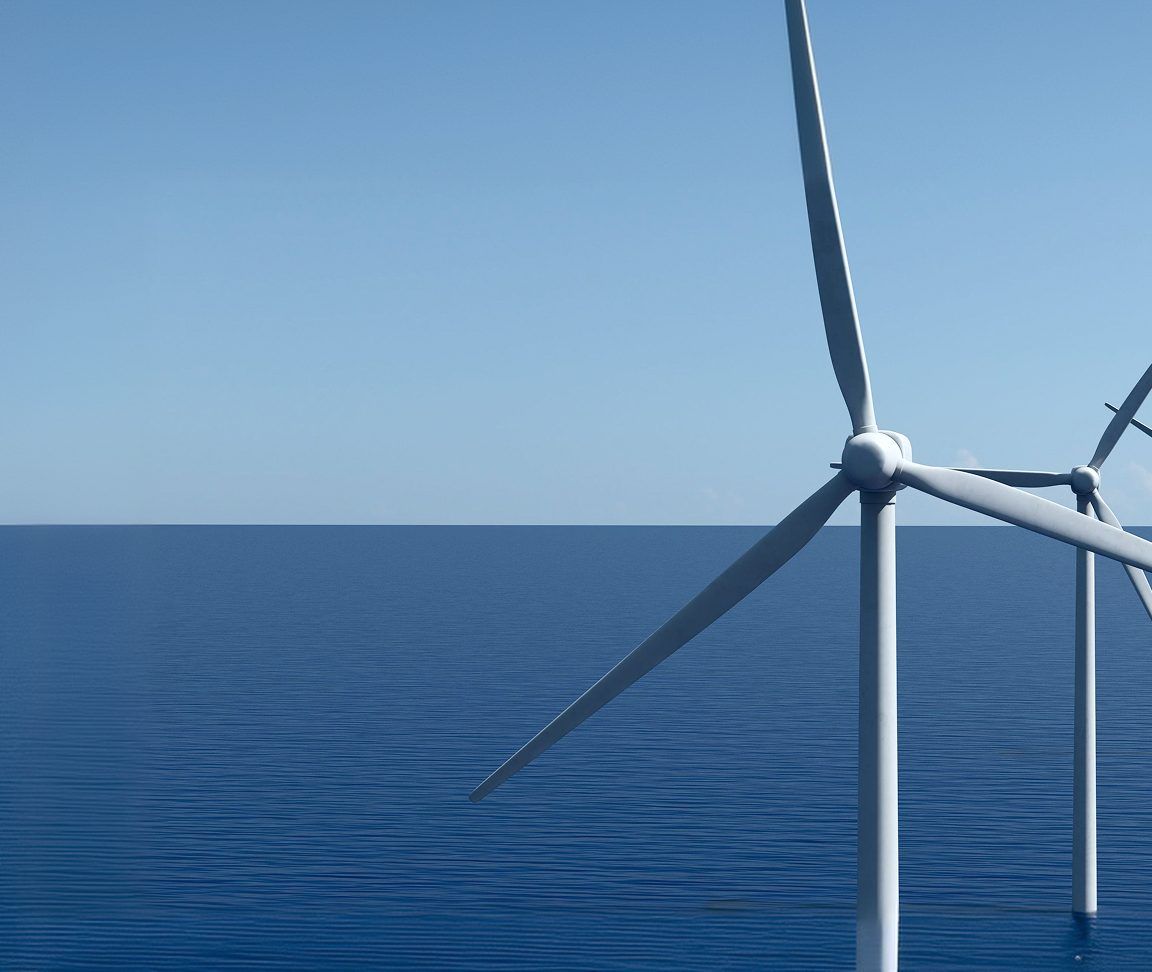
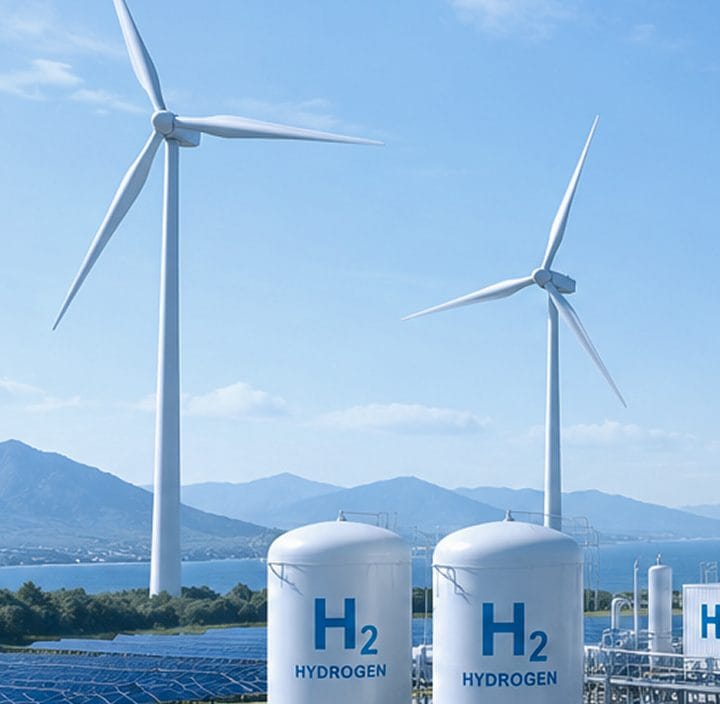
Turning Water, Sunlight, and Wind into Hydrogen

Water electrolysis produces hydrogen by electrolyzing water.
Among various water electrolysis technologies, Hyundai is focusing on developing PEM water electrolysis
technology utilizing Proton Exchange Membrane (PEM),
which offers fast response times and features compact equipment and easy management.

  • Hyundai Motor Company
  • Kia
  • Hyundai E&C
  • Hyundai Engineering
  • Hyundai Rotem

Why Water Electrolysis?

A key solution for achieving decarbonization

Water Electrolysis produces hydrogen by using electricity. When powered by renewable energy, it enables the production of clean hydrogen.
As a key technology underpinning the hydrogen ecosystem, water electrolysis helps address the intermittency of renewable energy while improving energy efficiency by converting surplus electricity into hydrogen for storage and later use.

  • Producing Clean Hydrogen
    Without Carbon Emissions

    By utilizing renewable energy-based electricity to split water into hydrogen and oxygen, water electrolysis enables the production of green hydrogen without carbon emissions during the production process.

    A 5MW system can produce approximately two metric tonnes of clean hydrogen per day, enough to fuel around 300 NEXO vehicles.*

    ※ Based on a 6.7kg storage capacity and 95% charge

  • Maximizing Renewable
    Energy Utilization

    As renewable energy deployment increases, surplus electricity can be converted into hydrogen through electrolysis to address growing output variability, intermittency, and curtailment caused by grid constraints.

    When integrated with H-ESS (Hydrogen Energy Storage System), capable of ultra-long-duration energy storage for 36 to 129 hours, this approach maximizes renewable energy utilization and contributes to a more stable and resilient energy supply.

  • Sector-Coupling

    Hydrogen serves as an energy carrier that enables the long-term storage and transportation of energy.

    As a core Power-to-Gas (P2G) technology, water electrolysis converts electricity into hydrogen, making energy available where and when it is needed while enhancing the flexibility and resilience of energy systems.

PEM Water Electrolysis in Numbers

Optimized for Fuel Cell Integration
and Renewable Energy
Applications

PEM water electrolysis produces hydrogen through the reverse principle of a hydrogen fuel cell.
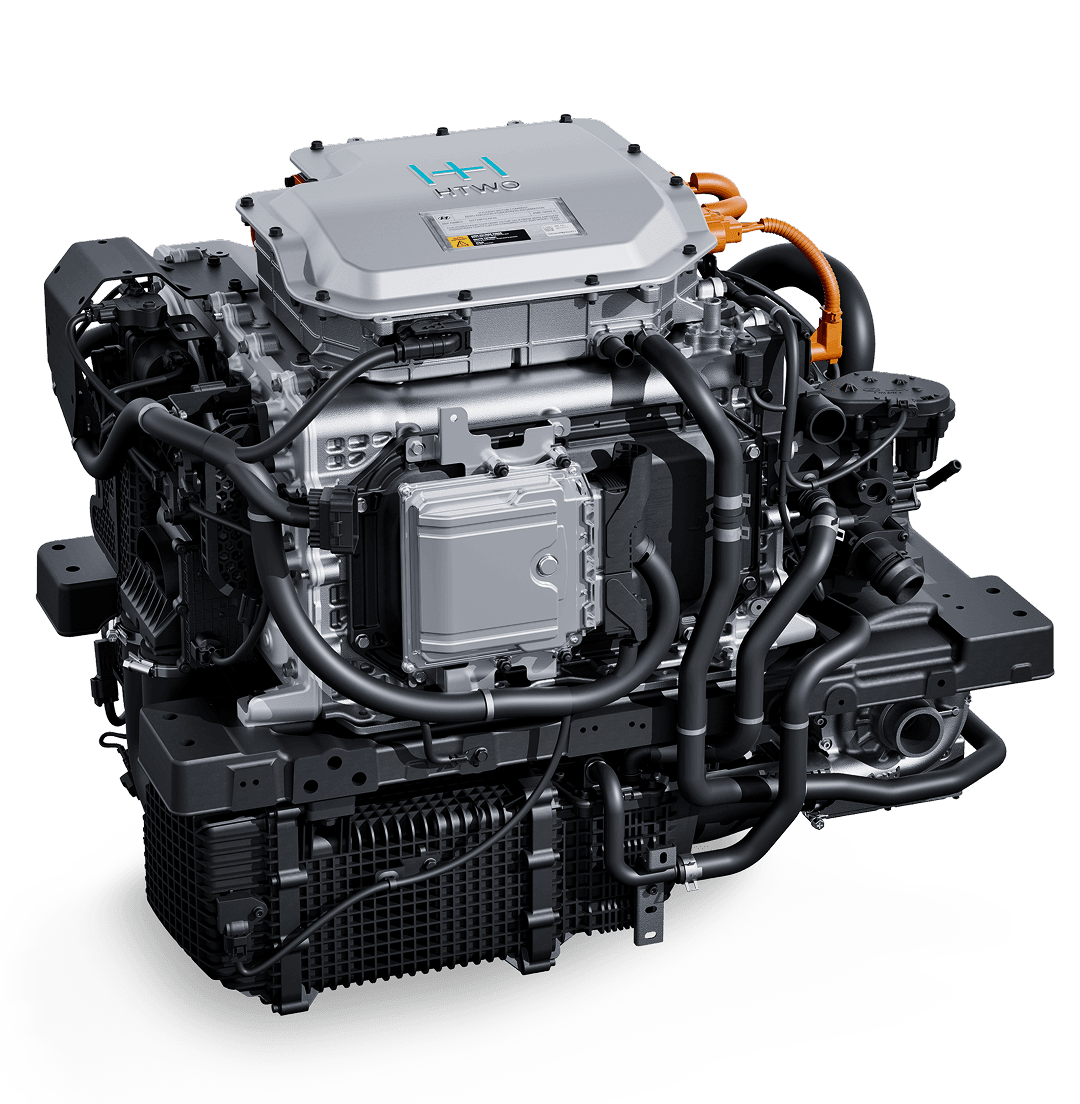
Building on its world-class fuel cell expertise and three decades of experience, Hyundai is advancing PEM water electrolysis technology by standardizing key components across fuel cell and electrolysis systems to enhance performance, durability, and cost competitiveness.

Compared with other electrolysis technologies, PEM systems offer higher current density and faster response times, enabling more compact system designs and flexible operation alongside renewable energy sources.

Water and electricity produce hydrogen and oxygen
PEM Water Electrolysis

Standardized Technology for
Greater Manufacturing Efficiency
and Supply Stability

  • Nearly30 Years

    Drawing on nearly three decades of fuel cell development expertise, Hyundai has standardized core technologies and components across its fuel cell and PEM water electrolysis systems.

  • 90%

    With a localization rate exceeding 90%, Hyundai has established a stable domestic supply chain.
    The company also plans to manufacture Korea's first PEM water electrolysis system at its dedicated Ulsan hydrogen fuel cell plant, scheduled for completion in 2027.

  • 10%/sec

    Fast Load Tracking

    With response times measured in seconds, PEM water electrolysis systems react significantly faster than conventional alkaline technologies.
    This rapid responsiveness enables efficient operation alongside renewable energy sources such as solar and wind power, whose output can fluctuate substantially.

  • 1MW-1GW

    Flexible Capacity Range

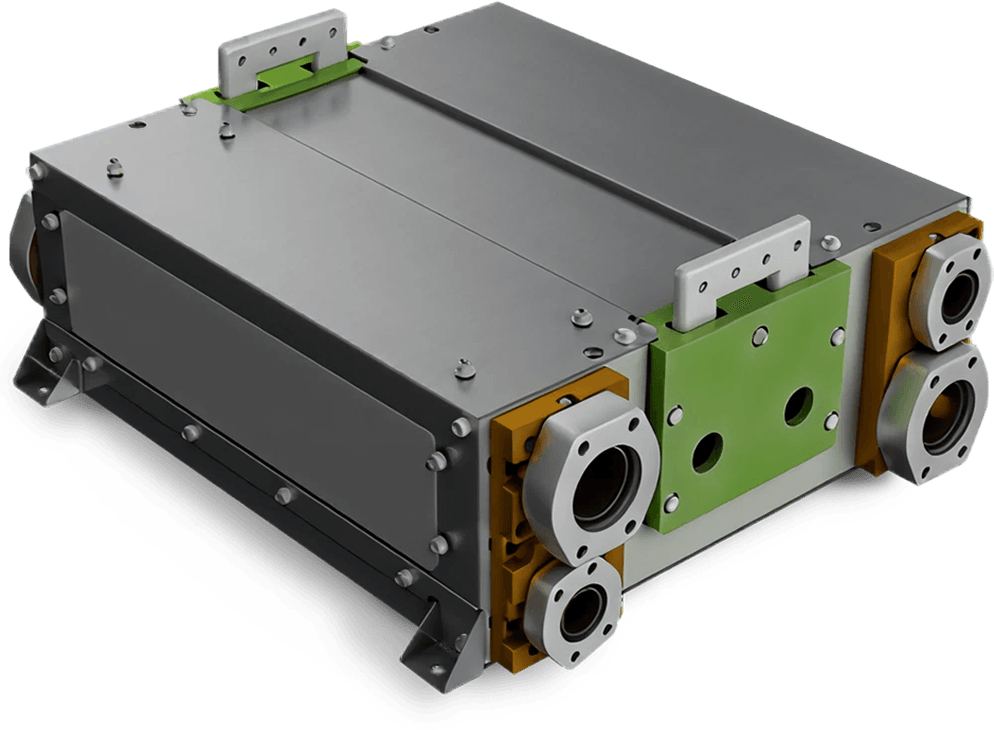
    System capacity can be scaled from 1MW containerized units to 5MW Electrolyzer System Modules (ESMs) and 20MW plant-scale systems.
    By connecting multiple units in parallel, PEM water electrolysis systems can be expanded to gigawatt-scale capacity while optimizing hydrogen production for site-specific power infrastructure and land availability.

  • 99.999+%Purity

    High-Purity
    Hydrogen
    Production

    Using a polymer electrolyte membrane that selectively allows hydrogen ions to pass through, PEM water electrolysis separates water into hydrogen and oxygen.
    Following a dedicated purification process, the system produces hydrogen with a purity exceeding 99.999%, making it suitable for applications ranging from fuel cell electric vehicles to semiconductor manufacturing.

Production Process

How Does PEM Water Electrolysis Produce Hydrogen?

PEM water electrolysis generates high-purity hydrogen by splitting water using electricity, essentially reversing the reaction that occurs in a hydrogen fuel cell.
When powered by renewable electricity, the process produces clean hydrogen without carbon emissions.

Steps expand automatically as the video plays.

  1. Electricity is generated from renewable energy sources such as solar and wind power.
    This renewable electricity is then supplied to the PEM water electrolysis system.

  2. To produce hydrogen, renewable electricity and purified water are fed into the PEM water electrolysis system.
    The water is conditioned to the appropriate operating temperature through a heat exchanger before entering the electrolysis process.

  3. At the heart of the PEM water electrolysis system is the stack, where water is split into hydrogen and oxygen through an electrochemical reaction.
    The stack consists of two compartments: the anode and the cathode. Oxygen is generated at the anode, while hydrogen is produced at the cathode.
    The hydrogen generated within the stack is then transferred to a purification unit for further processing.

  4. Hydrogen produced during electrolysis initially contains trace levels of moisture and impurities, making additional purification necessary before use.
    The purification process removes residual oxygen through a deoxygenator, while moisture is reduced using cooling and gas-liquid separation systems.
    Finally, the hydrogen passes through an adsorption unit that removes any remaining moisture, resulting in high-purity green hydrogen with a purity of more than 99.999%.

Business

PEM Electrolysis-Based Hydrogen Production

  • Construction site of the hydrogen production plant at Shin Boryeong Power Headquarters

    Boryeong Hydrogen Production Plant Based on Water Electrolysis

    Development of a 2.5MW PEM water electrolysis-based hydrogen production facility at KOMIPO's Shin Boryeong Power Headquarters in Chungcheongnam-do

    Participating Affiliates

    • Hyundai Engineering
  • Rendering of the hydrogen production facility in the Buan Renewable Energy Industrial Complex

    Jeonbuk Buan Hydrogen Production Plant Based on Water Electrolysis

    Development of a 2.5MW PEM water electrolysis-based hydrogen production facility in the Buan Renewable Energy Industrial Complex, Jeollabuk-do

    Participating Affiliates

    • Hyundai E&C
  • Signing ceremony between Jeju Special Self-Governing Province and Hyundai Motor Group

    Jeju PEM Water Electrolysis Plant

    Deployment of a 5MW PEM water electrolysis plant system at the Gimnyeong Wind Power Complex in Jeju

    Participating Affiliates

    • Hyundai Motor Company
    • Hyundai E&C
    • Hyundai Engineering
    • Hyundai Rotem
  • Aerial view of the large-scale solar power complex in Saemangeum

    Saemangeum PEM Water Electrolysis Plant

    Development of a 200MW PEM water electrolysis plant utilizing Saemangeum's renewable energy resources

    Participating Affiliates

    • Hyundai Motor Company
    • Hyundai E&C
    • Hyundai Engineering
    • Hyundai Rotem

FAQ

Questions About PEM Water Electrolysis

  • PEM (Proton Exchange Membrane) water electrolysis is a technology that produces high-purity hydrogen by using a polymer electrolyte membrane that selectively allows hydrogen ions (H⁺) to pass through during the electrolysis of water. When electricity is applied, water is split into hydrogen and oxygen. The proton exchange membrane enables only hydrogen ions to move from the anode to the cathode while preventing the mixing of gases, allowing the system to produce highly pure hydrogen with minimal impurities.

    This process ensures a stable supply of hydrogen that can be used directly in fuel cell applications. In addition, PEM water electrolysis offers rapid response to changes in power input, making it particularly well suited for integration with renewable energy sources such as solar and wind power. As the transition to cleaner energy accelerates, PEM water electrolysis is gaining attention as a key technology for the production of green hydrogen and the development of a sustainable hydrogen economy.

  • Hyundai is developing PEM (Proton Exchange Membrane) water electrolysis technology by leveraging nearly 30 years of experience and expertise in hydrogen fuel cell development. A fuel cell used in hydrogen-powered vehicles, such as NEXO, generates electricity by combining hydrogen and oxygen to produce water. PEM water electrolysis operates on the exact reverse principle: it uses electricity to split water into hydrogen and oxygen.

    PEM water electrolysis employs the same proton exchange membrane (PEM) used in hydrogen fuel cells and produces hydrogen through the reverse of the fuel cell reaction. By building on its extensive fuel cell technology know-how, Hyundai is driving the development of PEM electrolysis while maximizing the common use of key components and technologies across both systems.

    This approach not only enhances technological reliability and performance but also strengthens business competitiveness through greater economies of scale. By integrating its expertise in both hydrogen production and utilization technologies, Hyundai Motor Group is further reinforcing its capabilities across the hydrogen value chain and supporting the transition to a sustainable hydrogen economy.

  • One of the key characteristics of renewable energy sources such as solar and wind power is their intermittency, meaning that power generation can fluctuate significantly depending on weather conditions and the time of day.

    PEM (Proton Exchange Membrane) water electrolysis is particularly well suited to addressing this challenge thanks to its fast start-up and rapid load-following capabilities. It can respond almost instantly to fluctuations in renewable power generation, increasing or decreasing hydrogen production as electricity supply changes.

    For example, surplus electricity generated during periods of high solar or wind output can be used to produce hydrogen, effectively storing renewable energy. Conversely, when electricity demand rises or renewable generation declines, the electrolyzer’s power consumption can be quickly reduced, helping to relieve stress on the power grid.

    Thanks to its fast response and operational flexibility, PEM water electrolysis can help mitigate the variability of renewable energy, support grid stability, and enhance the overall flexibility of power system operations. For these reasons, PEM electrolysis is widely recognized as a key enabling technology for large-scale green hydrogen production and the integration of renewable energy into future energy systems.

  • The two technologies differ primarily in the type of electrolyte they use. Alkaline water electrolysis uses an alkaline solution, typically potassium hydroxide (KOH), as the electrolyte, whereas PEM (Proton Exchange Membrane) water electrolysis uses pure water together with a solid polymer electrolyte membrane.

    Another key difference is current density*, which is a critical indicator of hydrogen production efficiency. PEM water electrolysis can operate at significantly higher current densities than alkaline systems, enabling greater hydrogen production from the same electrode area. As a result, PEM electrolyzers can achieve higher productivity within a smaller footprint.

    This higher power density allows for more compact system designs, making PEM electrolysis particularly advantageous where installation space is limited. The compactness and flexibility of PEM systems also enable deployment across a wider range of locations and operating environments.

    *What is current density?
    Current density refers to the amount of electric current that can flow through a unit area of an electrode. It is one of the key performance indicators of an electrolyzer. Higher current density enables the production of more hydrogen from the same area, resulting in greater output and improved space efficiency.

  • Hyundai’s key competitive advantage lies in the mass production of PEM water electrolysis systems through the commonization of components and manufacturing technologies with PEM fuel cells.

    While PEM water electrolysis offers excellent performance and operational flexibility, its widespread adoption has been limited by relatively high system costs. Hyundai plans to leverage the common use of key components shared between PEM fuel cells for hydrogen-powered vehicles and PEM electrolyzers, including electrodes, bipolar plates, and membranes. In addition, Hyundai intends to apply its advanced automotive manufacturing expertise and large-scale production capabilities to electrolyzer manufacturing.

    Through this approach, Hyundai aims to enhance cost competitiveness while securing a stable supply chain through the localization of critical components.

    Hyundai is also pursuing Korea’s first mass production of PEM electrolyzers alongside fuel cells at its new hydrogen fuel cell plant in Ulsan. Through large-scale manufacturing and continuous technological advancement, the Group aims to accelerate the commercialization of PEM water electrolysis and expand into global hydrogen markets.