



Maximum Daily Hydrogen Production Capacity
640kg/day
Waste-to-Hydrogen
Waste-to-Hydrogen (W2H) is a resource-circulating hydrogen production technology that converts
biogas
generated from organic waste into clean hydrogen.
By transforming everyday waste into a
valuable
energy resource, W2H helps communities move toward greater energy independence.


Why W2H?
W2H creates energy from organic waste, turning an environmental challenge into a valuable local
resource.
By giving waste a second life, W2H establishes a
circular ecosystem where local resources are transformed into the energy that powers local communities.
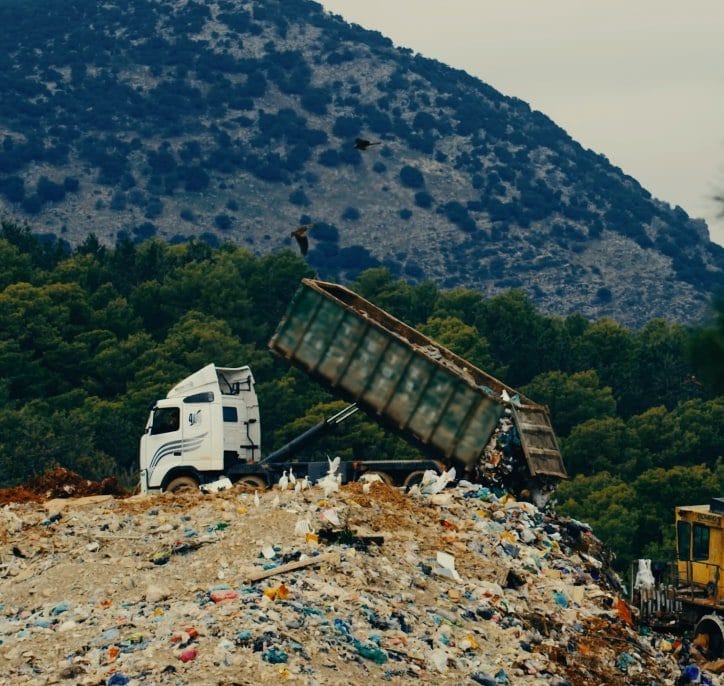
Hyundai develops optimized hydrogen production systems tailored to local waste streams and hydrogen demand. In Indonesia, landfill gas is being utilized as an energy resource, creating a business model that contributes to both waste management and energy supply.
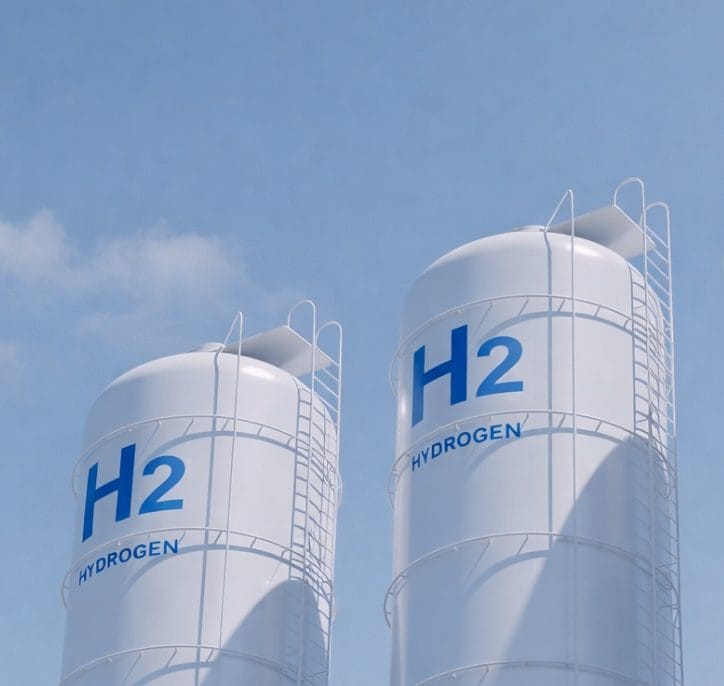
W2H enables decentralized hydrogen production by utilizing regionally available waste resources, creating a self-sustaining model of local energy production and consumption.
W2H in Numbers
W2H converts biogas generated from locally sourced organic waste, including food waste, sewage sludge,
and
livestock manure, into high-purity hydrogen exceeding 99.97% purity.
By connecting
regional waste treatment systems with local hydrogen demand, W2H helps build a circular hydrogen
ecosystem
where waste becomes a valuable source of clean energy.
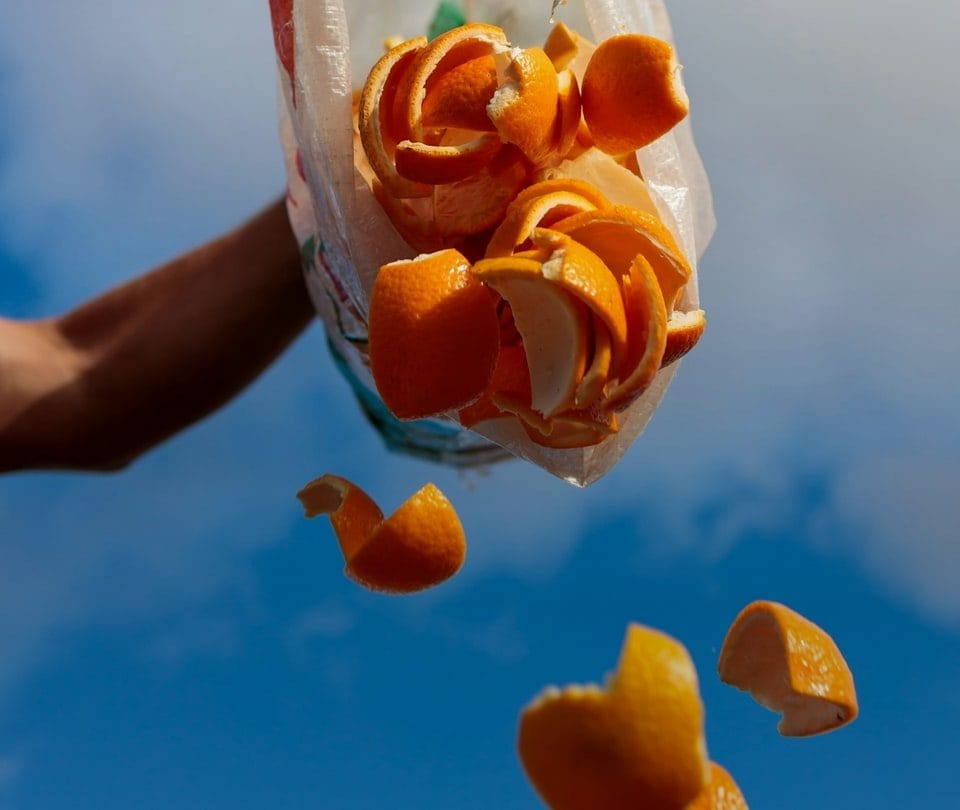
As part of Korea's first national W2H R&D project involving Hyundai E&C and Hyundai Rotem, approximately 500 kg of hydrogen is produced daily from biogas generated using about 60 tonnes of food waste collected in Chungju City.
60 tonnes of food waste/day

Biogas production

Nearly 500 kg of hydrogen/day

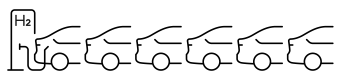
Refuel approx.
100 NEXOs
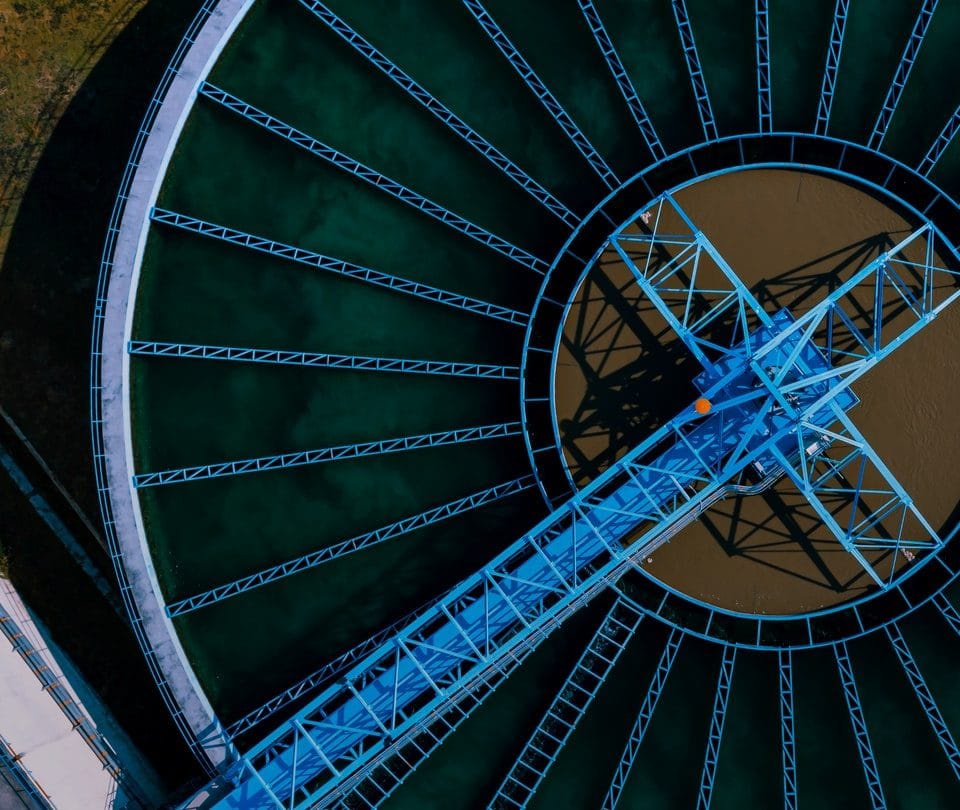
At the Cheongju Public Wastewater Treatment Facility, biogas generated from approximately 120 tonnes of sewage sludge produced each day is used to generate around 500 kg of hydrogen daily.
120 tonnes of sewage sludge/day

Biogas production
Nearly 500 kg of hydrogen/day
Refuel approx.
100 NEXOs
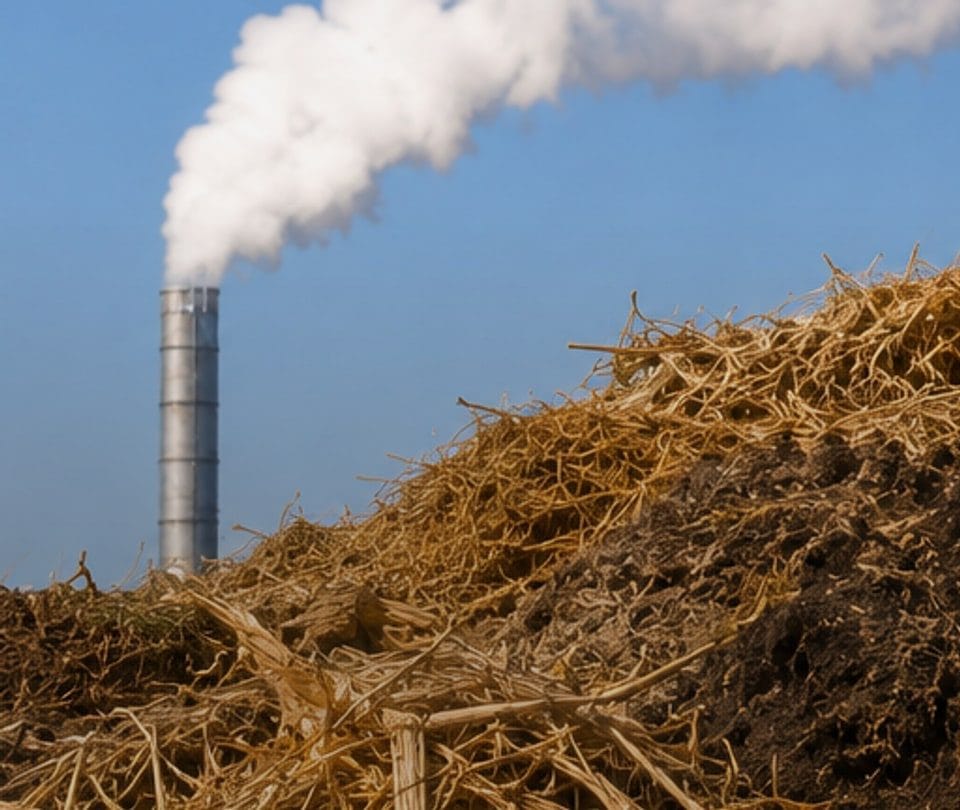
At a landfill site in Hong Kong, landfill gas (nearly 10,000 Nm3/day) generated during waste treatment is being utilized to produce nearly 1,000 kg of hydrogen per day.
10,000 Nm3 of landfill gas/day

Biogas production
Nearly 1,000 kg of hydrogen/day
Refuel approx.
200 NEXOs
※ Hydrogen production volumes may vary depending on biogas composition and operating conditions.
Production Process
Organic waste undergoes several processing stages before being converted into high-purity hydrogen. Depending on the feedstock, different pretreatment methods are applied before the waste is transformed through biogas generation, upgrading, reforming, and hydrogen purification.
Steps expand automatically as the video plays.
To ensure stable anaerobic digestion, organic waste is crushed and sorted to remove impurities, then processed into a form suitable for the production process.
In an oxygen-free environment, microorganisms break down organic matter and produce biogas composed primarily of methane (CH4) and carbon dioxide (CO2). This process creates the foundation for transforming waste into a valuable energy resource.
The raw biogas is purified by removing impurities such as hydrogen sulfide (H2S), moisture (H2O), and siloxanes. Carbon dioxide (CO2) is then separated using membrane technologies, producing high-purity biomethane with methane concentrations exceeding 95%. The resulting biomethane can be used as a renewable substitute for natural gas or as feedstock for hydrogen production.
Hydrogen is produced using Hyundai Rotem's hydrogen reforming technology. In the Steam Methane Reforming (SMR) process, biomethane reacts with steam at high temperatures to generate a hydrogen-rich synthesis gas containing hydrogen (H2), carbon monoxide (CO), and carbon dioxide (CO2). This is followed by the Water-Gas Shift (WGS) process, where carbon monoxide (CO) reacts with steam (H2O) to produce additional hydrogen (H2) while simultaneously increasing overall hydrogen yield and improving process efficiency.
The reformed gas undergoes a purification process using Pressure Swing Adsorption (PSA) technology. This process separates hydrogen from other gases, producing hydrogen (H2) with a purity of over 99.97%. The resulting hydrogen can be used across a wide range of applications, including clean mobility and industrial operations.
Off-gases (CH4, H2, CO2, etc.) generated during hydrogen purification are recycled as a heat source for the reforming process, improving overall energy efficiency. In addition, carbon dioxide separated during biomethane production can be captured and utilized for industrial applications, including liquefied CO2 products and dry ice manufacturing.

Key Facility
Hydrogen reformers convert methane-rich gases such as biomethane into hydrogen through high-temperature reforming and purification processes.
A single Hyundai Rotem small-scale reformer can produce up to 640 kg of hydrogen per day, enough to fuel approximately 116 NEXOs. Building on this technology, Hyundai Rotem is continuing to develop larger-scale reformers capable of supporting expanding hydrogen demand across global markets.
Maximum Daily Hydrogen Production Capacity
640kg/day
Feedstock
Natural Gas,
Biomethane
Hydrogen Purity After Purification
99.97%or higher
Localization Rate of Key Components (*as of the end of 2025)
86.5%
Skid-Mounted System Design
| Production | Burner | Provides the heat required for the reforming process. |
|---|---|---|
| Reformer | Methane + Water → Carbon Monoxide + Hydrogen | |
| Water-Gas Shift (WGS) Reactor | Carbon Monoxide + Water → Carbon Dioxide + Hydrogen | |
| Purification Unit | Adsorption Tower (PSA) | Separates and purifies hydrogen from the reformed gas stream. |
| Utility System | Cooling Unit | Maintains and circulates coolant for stable system operation. |
Feedstock Input → Reformer
Methane and water pass through the reforming catalyst bed,
where they
react to produce
carbon monoxide and hydrogen.
Carbon Monoxide Shift Reactor
Carbon monoxide reacts with water to form carbon dioxide,
increasing the
proportion of
hydrogen.
Adsorption Column
Impurities, including carbon dioxide, are adsorbed and
removed to separate
high-purity
hydrogen.
High-Purity Hydrogen
The purified hydrogen is stored and supplied with
a certified purity of
99.97% or
higher.
Business


Hydrogen produced from wastewater treatment plant
Participating Affiliates

Hydrogen produced from food waste and livestock manure
Participating Affiliates

First overseas demonstration of hydrogen ecosystem establishment
Participating Affiliates

Hydrogen produced from landfill gas
Participating Affiliates

Production and sales of small-scale hydrogen reformers
Participating Affiliates
FAQ
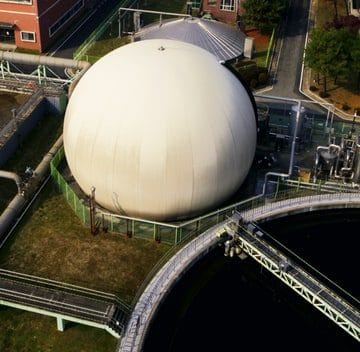
Methane generated during the decomposition of organic waste has a global warming potential approximately 28 times greater than that of carbon dioxide. Waste-to-Hydrogen (W2H) technology captures and converts this methane into hydrogen instead of releasing it into the atmosphere, helping reduce greenhouse gas emissions while creating new value through resource-circulating energy production.
By refining and upgrading biogas generated from organic waste streams such as food waste, sewage sludge, and livestock manure, W2H technology utilizes it as a feedstock for hydrogen production. This enables both the high-value utilization of waste-derived resources and the production of clean hydrogen, contributing to the development of a resource-circulating energy ecosystem.
W2H technology also enables the development of decentralized energy systems. Rather than relying on imported energy resources, regions can produce the hydrogen they need locally using biogas generated from organic waste within their communities. This helps reduce dependence on energy imports, enhance regional self-sufficiency, lower transportation costs, and reduce greenhouse gas emissions. In particular, W2H offers a solution for regions with limited energy resources to secure clean energy using locally available resources.
Hyundai Rotem’s hydrogen reformer utilizes biogas to produce hydrogen with a purity of over 99.97%. The hydrogen produced can be integrated with hydrogen refueling and distribution infrastructure and used across a wide range of applications, from industrial purposes to various mobility solutions, including hydrogen fuel cell electric vehicles (FCEVs).
HTWO ENERGY Cheongju, Hyundai’s first Group-operated waste-to-hydrogen (W2H) production and refueling facility, produces hydrogen using biogas generated from sewage sludge collected in the Cheongju region. The hydrogen is then supplied to nearby hydrogen refueling stations as well as other hydrogen demand centers across Chungcheongbuk-do.
A hydrogen reformer, or Steam Methane Reformer (SMR), is a system that produces hydrogen from methane-based feedstocks such as natural gas or biomethane. The hydrogen production process consists of three main stages: (1) Steam Methane Reforming (SMR), (2) the Water-Gas Shift (WGS) process, and (3) Pressure Swing Adsorption (PSA) purification.
In the first stage, Steam Methane Reforming (SMR), methane (CH4), the primary component of the feedstock, reacts with steam at approximately 800°C in the presence of a catalyst. This reaction produces hydrogen and carbon monoxide.
The second stage is the Water-Gas Shift (WGS) process, where the carbon monoxide generated during reforming reacts with steam to produce additional hydrogen and carbon dioxide. This step increases the overall hydrogen yield and improves process efficiency.
In the final stage, Pressure Swing Adsorption (PSA), impurities and other gas components are removed to produce high-purity hydrogen with a purity of over 99.99%.
To further enhance energy efficiency, the off-gas remaining after hydrogen separation and purification in the PSA process is recycled and used as a heat source for the reforming process. This minimizes energy losses and improves the overall efficiency of hydrogen production.
No. Not all hydrogen produced by a hydrogen reformer is classified as clean hydrogen. The cleanliness of hydrogen is determined not only by the production technology itself, but also by the feedstock used and the amount of greenhouse gas emissions generated throughout the production process.
For example, hydrogen produced from natural gas is generally classified as gray hydrogen. However, when carbon capture and storage (CCS) technology is applied to reduce greenhouse gas emissions, it may be classified as blue hydrogen.
In Korea, hydrogen produced using biomethane upgraded from biogas generated by organic waste, such as food waste, sewage sludge, and livestock manure, is recognized as clean hydrogen.
Biogas-based hydrogen production utilizes biogas generated from organic waste as a feedstock for hydrogen production. By making use of underutilized resources, this approach contributes to resource circularity and greenhouse gas emissions reduction.
No. A hydrogen reformer is not limited to using biomethane as a feedstock. It typically uses natural gas as its primary feedstock, and biomethane can also be utilized based on the same principle.
A Steam Methane Reformer (SMR) produces hydrogen using gases primarily composed of methane (CH4) as a feedstock. Therefore, in addition to natural gas, biogas generated from organic waste, landfill gas (LFG), and coke oven gas (COG) from steel production can also be utilized after appropriate pretreatment and purification processes tailored to their characteristics.
In other words, hydrogen reformers can utilize a variety of methane-based gases. Through pretreatment and purification processes optimized for each feedstock, a wide range of hydrogen sources, including natural gas, biogas, landfill gas, and industrial by-product gases, can be used for hydrogen production.
Contact


