


Business
Accelerating the
Transition to a
Hydrogen Society
Explore major hydrogen initiatives being developed by Hyundai Motor Group in collaboration with global and local partners, governments, and public institutions to advance the hydrogen economy.
Hydrogen Production
Hyundai is advancing carbon neutrality through a diverse portfolio of hydrogen production
technologies, including Waste-to-Hydrogen (W2H), which converts biogas generated
from
organic waste into hydrogen, and PEM water electrolysis powered by renewable
energy.
PEM Water
Electrolysis
PEM water electrolysis offers the flexibility needed to respond to fluctuations in renewable energy generation, while its high power density enables compact system design and maximizes installation efficiency.
Leveraging fuel cell technology, Hyundai is developing modular PEM water electrolysis solutions, including 1MW containerized systems and 5MW plant-scale Electrolyzer Stack Modules (ESMs) based on a 400kW-class electrolyzer stack.
Hyundai is also pursuing large-scale hydrogen production projects by connecting multiple 5MW-class ESMs in parallel, creating hydrogen production bases powered by renewable and nuclear energy.

PEM Water
Electrolysis Lineup
-
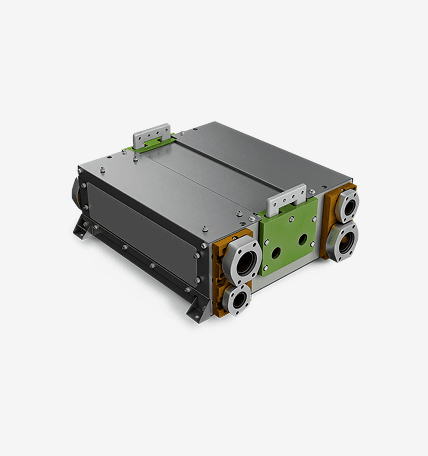
400kW Stack
400kW-class stack for water electrolysis based on fuel cell and stack design and production technology commonization
-
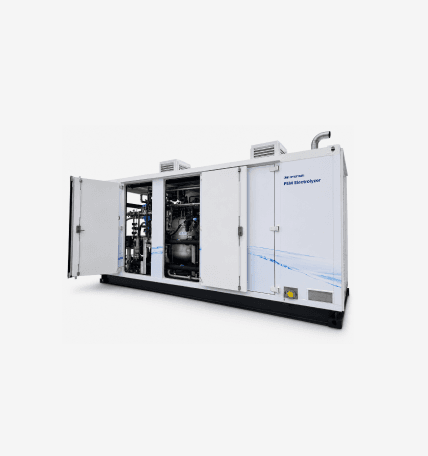
1MW Class Water Electrolyzer
1MW All-in-One system for water electrolysis based on fuel cell and stack design and production technology commonization
-
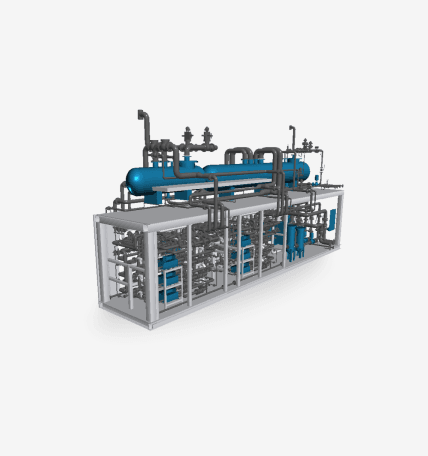
5MW-Class ESM
Equipped with 12 stacks, 5MW class ESM for plant-scale scale-up
(40ft standard container model) -
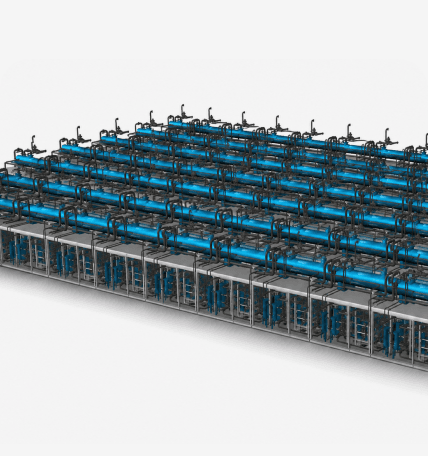
Large-Scale Hydrogen
Production BaseHundreds of MW class water electrolysis plants through parallel connection of ESMs


PEM Water
Electrolysis Businesses
-
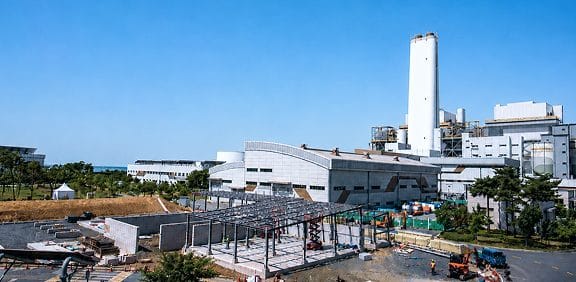
Boryeong Electrolysis-Based Hydrogen Production Base
A 2.5MW water electrolysis hydrogen production facility is being established at Korea Midland Power’s Shin Boryeong Power Plant in Chungcheongnam-do, Korea. Capable of producing up to one tonne of hydrogen per day, the project demonstrates a new energy model where power generation and hydrogen production operate in synergy.
-
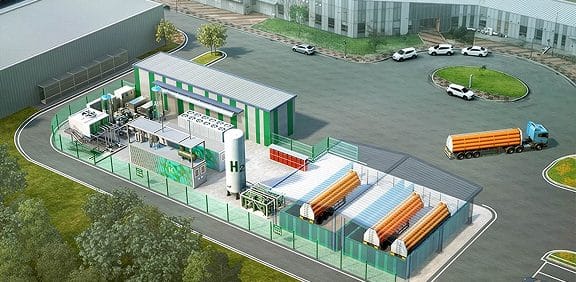
Buan Electrolysis-Based Hydrogen Production Base
In 2025, Hyundai Engineering & Construction completed a 2.5MW PEM water electrolysis facility within the Buan Renewable Energy Industrial Complex in Jeonbuk State, Korea, capable of producing one tonne of hydrogen per day. An additional 1MW electrolyzer supplied by Hyundai Motor Company is scheduled to be added in 2027, increasing total hydrogen production capacity to approximately 1.4 tonnes per day.
-
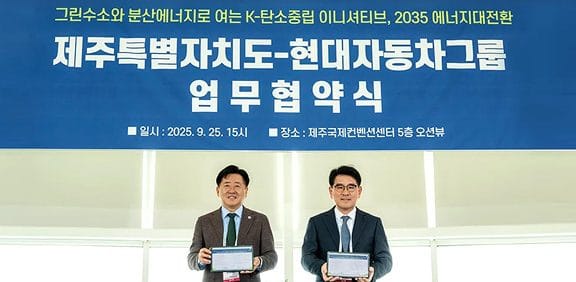
Jeju PEM Water Electrolysis Plant
A 5MW plant-scale PEM water electrolysis system is scheduled for deployment at the Gimnyeong Wind Power Complex in Jeju, Korea, in 2029. Powered by Hyundai Motor Company’s PEM electrolyzer technology, the facility will produce up to two tonnes of hydrogen per day and support a self-sustaining hydrogen ecosystem powered by Jeju’s renewable energy resources.
-
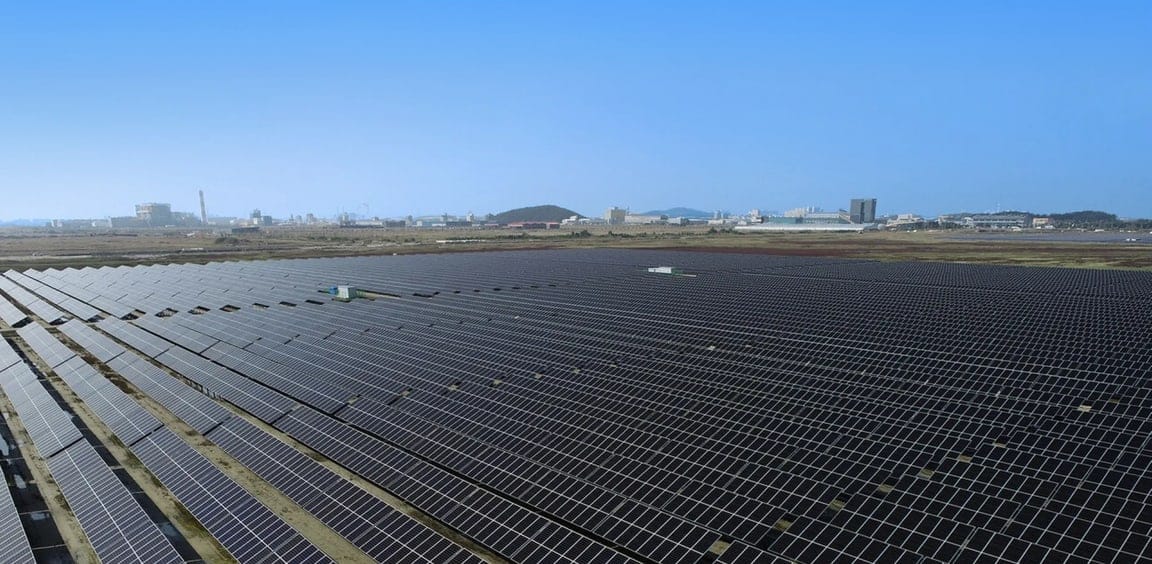
Saemangeum PEM Water Electrolysis Plant
Hyundai plans to develop a 200MW PEM water electrolysis plant powered by Saemangeum’s abundant renewable energy resources. The hydrogen produced will be supplied to nearby hydrogen power generation facilities and utilized across a wide range of mobility and industrial applications within the Saemangeum AI Hydrogen City.


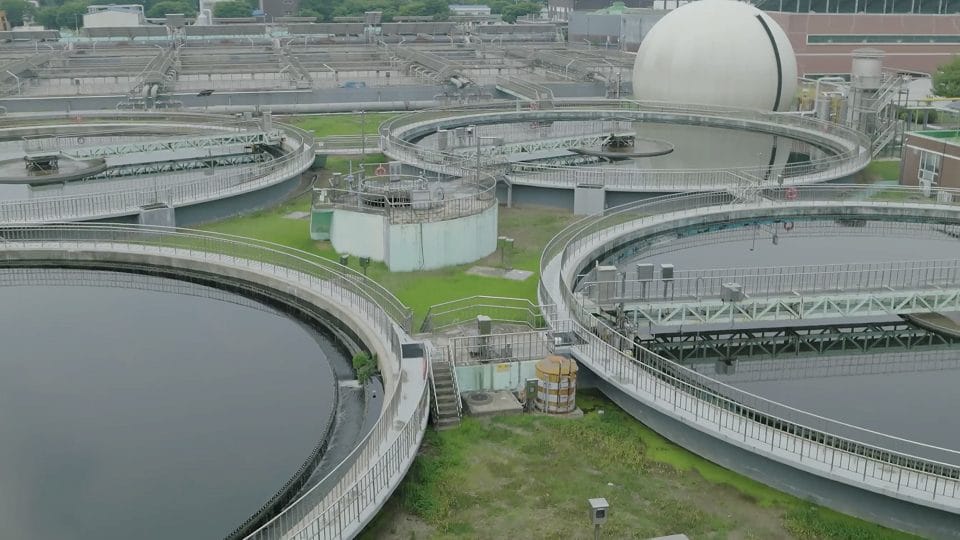
Waste-to-Hydrogen (W2H)
Waste-to-Hydrogen (W2H) converts biogas generated from organic waste into hydrogen, transforming everyday waste into a valuable energy resource while supporting local energy independence and a circular economy.
Learn MoreW2H Businesses
-
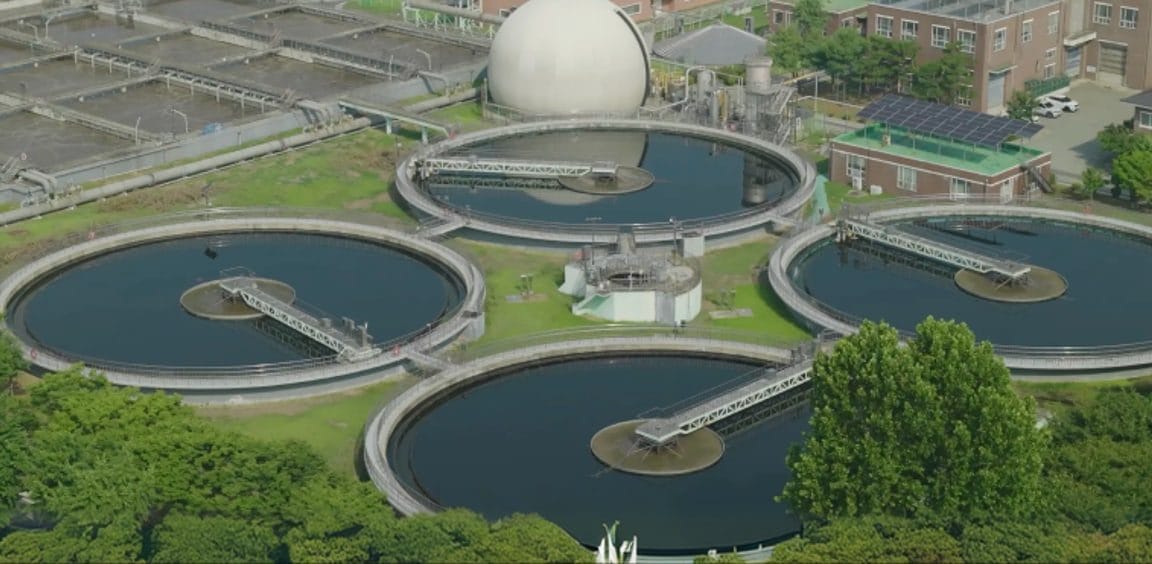
W2H Cheongju
Commissioned in 2026, W2H Cheongju is Hyundai’s first Group-operated waste-to-hydrogen production and refueling complex. Using biogas derived from sewage sludge, the facility produces up to 0.5 tonnes of hydrogen per day and supplies hydrogen to nearby communities through its on-site refueling station and hydrogen distribution center.
-
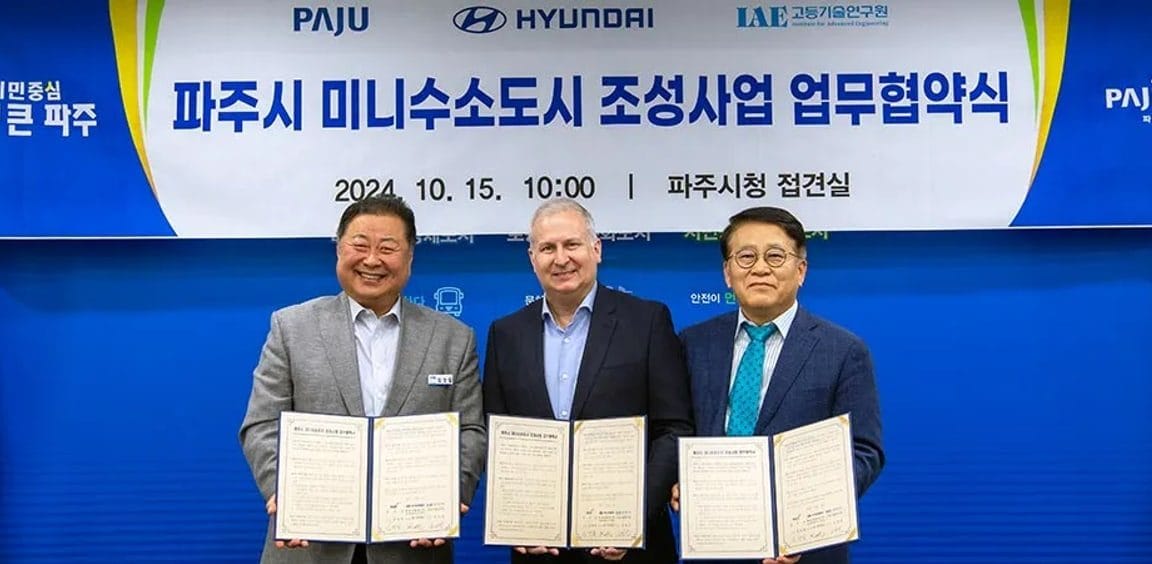
W2H Paju
Scheduled for completion in 2027, W2H Paju aims to establish a regional hydrogen ecosystem in northern Gyeonggi Province, Korea. The facility will utilize food waste and livestock manure to produce up to 0.5 tonnes of hydrogen per day and distribute hydrogen throughout the surrounding region via its hydrogen distribution center.
-
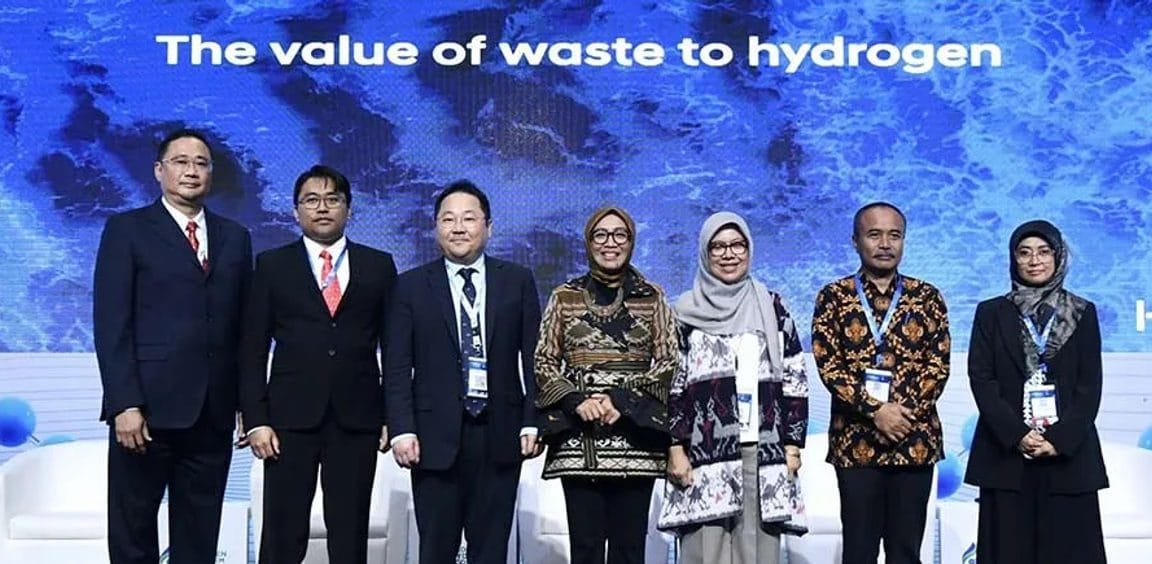
W2H Indonesia
Scheduled for completion in 2029, W2H Indonesia will improve environmental conditions at the Sarimukti landfill site in West Java while capturing landfill gas as a feedstock for hydrogen production. The project will establish a hydrogen mobility ecosystem by converting a Pertamina CNG station into a hydrogen refueling station and producing up to 0.5 tonnes of hydrogen per day using landfill-derived biogas.
-
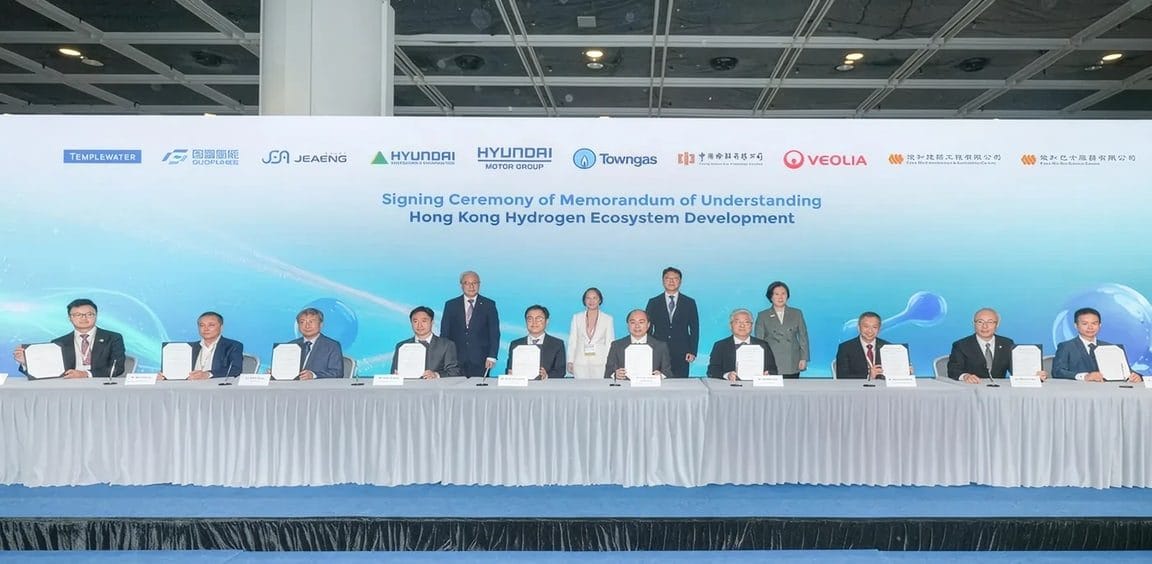
W2H Hong Kong
Scheduled for completion in 2030, W2H Hong Kong is a waste-to-hydrogen production model tailored to Hong Kong’s local conditions, where significant volumes of landfill gas are generated. The hydrogen produced will be supplied to a variety of mobility applications through industrial users and liquid hydrogen refueling infrastructure, supporting Hong Kong’s decarbonization efforts while enhancing regional energy resilience.


Hydrogen Reformer Sales
A hydrogen reformer is a highly efficient hydrogen production system that generates high-purity hydrogen exceeding 99.97% purity through the steam reforming of methane, the primary component of natural gas and biogas. Hyundai Rotem manufactures and supplies the HY-Green 300, a compact hydrogen reformer capable of producing up to 640 kg of hydrogen per day.
The system integrates reforming, compression, and purification technologies into a single skid-mounted package, enabling efficient transportation and installation. The 20 hydrogen reformers produced annually at Hyundai Rotem’s H2 Equipment Assembly Center have a combined hydrogen production capacity of approximately 4,700 tonnes per year, enough to fuel around 850,000 NEXO refueling sessions annually.
Learn More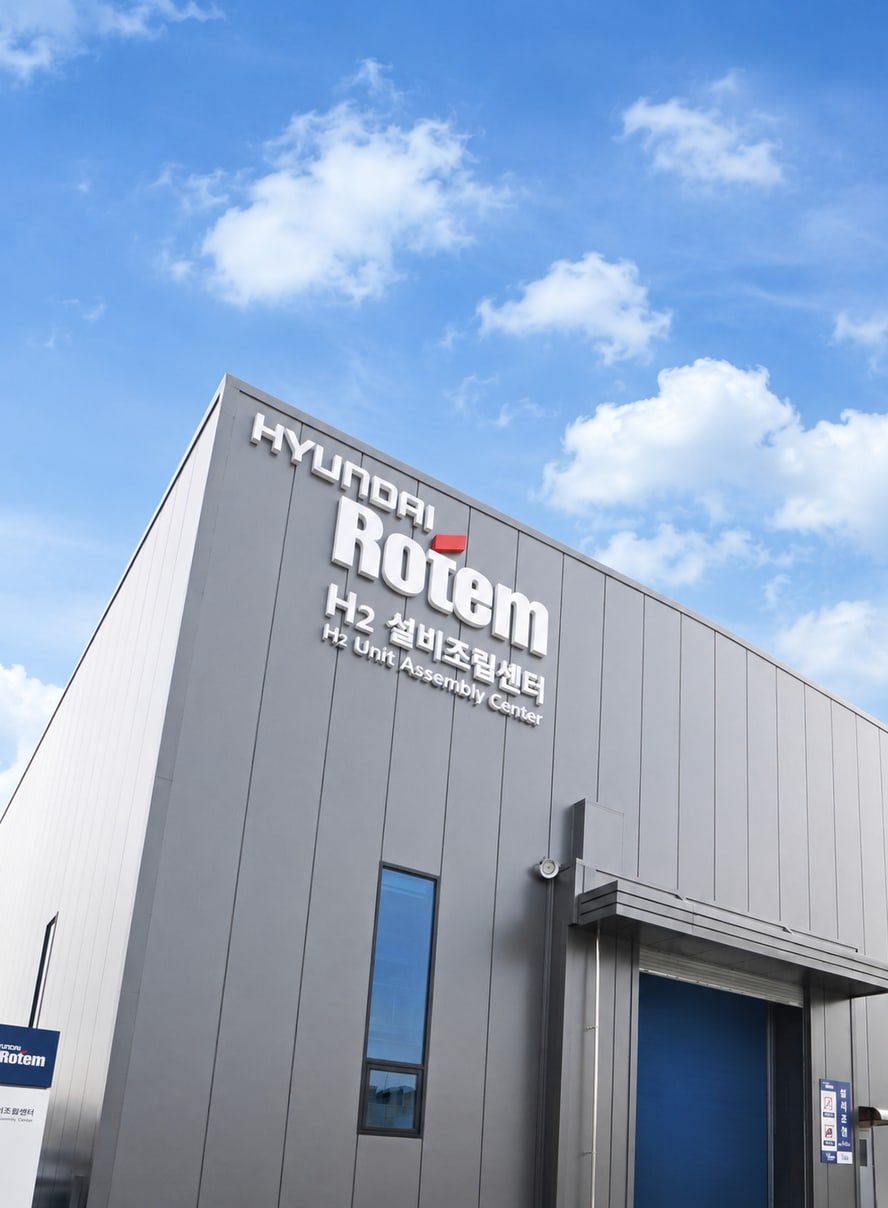
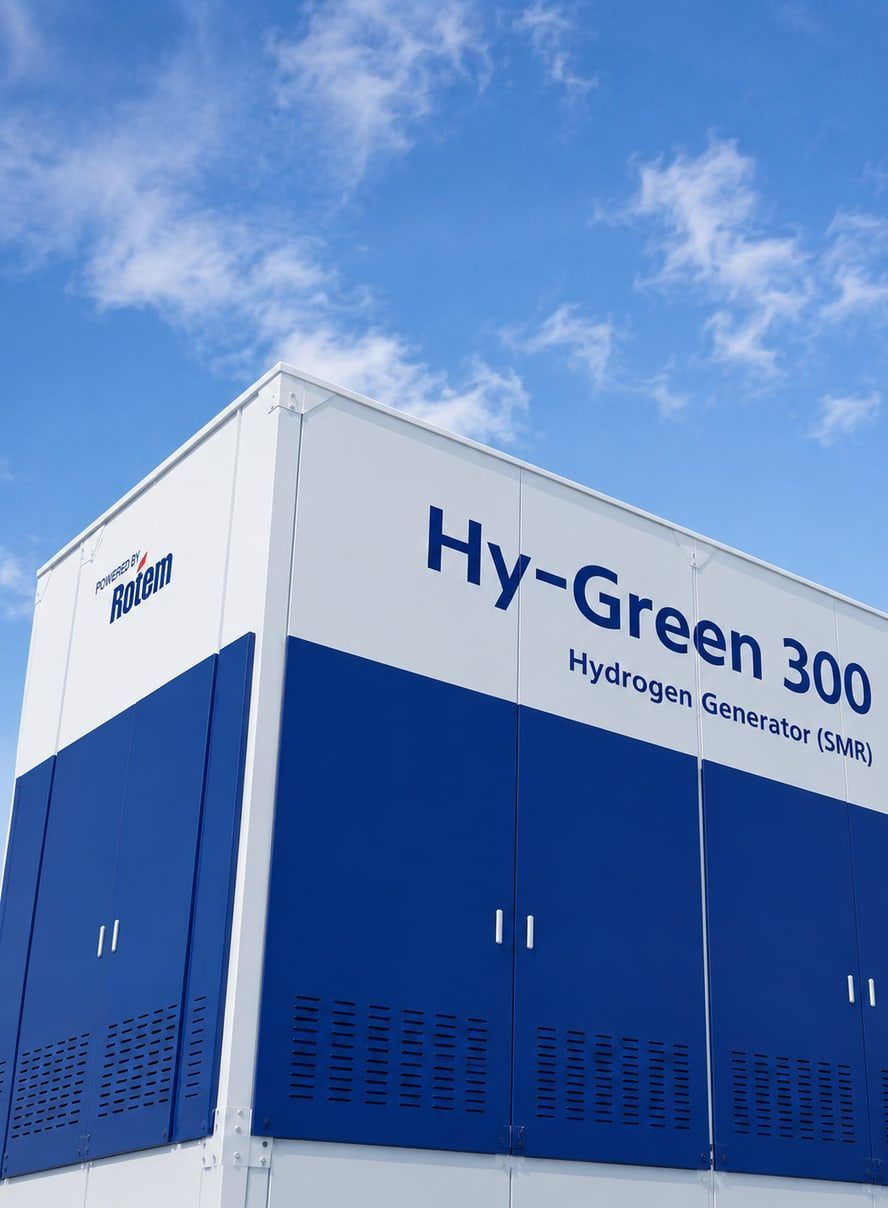
- Annual production volume of hydrogen reformers
- 20 Units
- Hydrogen production capacity per reformer
- 640 kg/day
- Combined annual hydrogen production capacity
- Nearly 4,700 tonnes/year
※ One reformer can refuel up to 128 Hyundai NEXOs per day.
Hydrogen reformer partners
Partners producing hydrogen with Hyundai Rotem’s hydrogen reformers





Hydrogen Infrastructure Expansion
We connect hydrogen production and utilization
through refueling technologies and
integrated solutions
that expand hydrogen infrastructure and improve operational
efficiency.
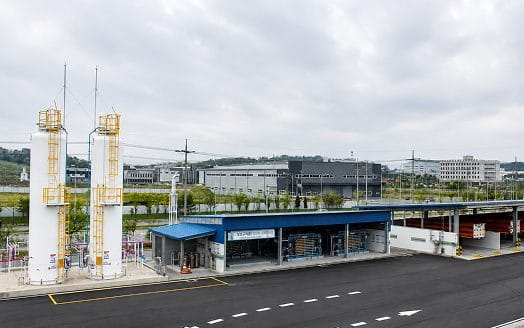
Dangjin Hydrogen Distribution Center
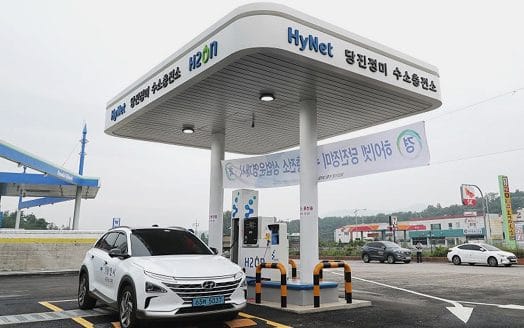
The HyNet Dangjin Hydrogen Distribution Center serves as a key logistics hub supplying by-product hydrogen generated during steel production at Hyundai Steel’s Dangjin Integrated Steelworks to hydrogen refueling stations.
High-purity by-product hydrogen (99.999%) supplied from dedicated hydrogen production facilities is compressed, filled into tube trailers, and transported to refueling stations. With the capacity to fill up to 12 tube trailers simultaneously, the facility currently supplies hydrogen for mobility applications across the Seoul metropolitan area and the Chungcheong region in Korea.
Process
- By-product gas generated during steel production is purified through a PSA process and supplied to the distribution center.
-
 Hydrogen Storage in
Buffer Tanks
Hydrogen Storage in
Buffer Tanks
-
Hydrogen is compressed to
high pressure through a two-stage compression process.
-
Hydrogen purity
verification (99.999%) using a hydrogen analyzer
-
Filled into tube trailers
at 200 bar and dispatched for delivery

Hydrogen Tube Trailer Transportation
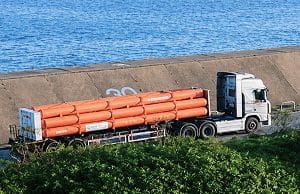

- Transport volume per trip(Based on a 200-bar tube trailer and residual pressure considerations)
- Approx. 200 kg

- Annual Maximum Hydrogen Transport Capacity
- 2,000 tonnes/year
- Equivalent Annual Hydrogen Demand
- 13,000 Hyundai NEXOs*
*Based on the official fuel efficiency of the Hyundai NEXO (96.2 km/kg)
Hydrogen Refueling Station
Hydrogen refueling stations are critical infrastructure that brings together hydrogen
storage and
transportation networks,
forming the foundation for the widespread
adoption of
hydrogen mobility. Hyundai supports the expansion of hydrogen mobility
by
supplying refueling equipment and participating in the development and operation of hydrogen
refueling infrastructure.
-
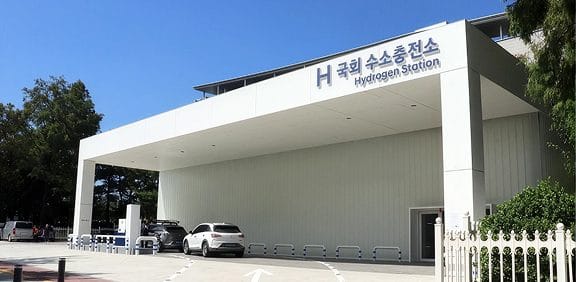
H Station
H Station is Hyundai Motor Company’s hydrogen refueling station brand, operating across urban areas and highway service stations.
As one of Hyundai’s key hydrogen infrastructure initiatives, H Station supports the expansion of hydrogen mobility and enhances customer accessibility to hydrogen refueling services.
-
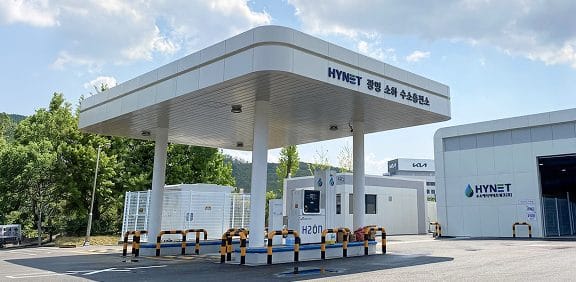
HyNet Hydrogen
Refueling StationEstablished in 2019 as Korea’s first specialized hydrogen refueling station operator, HyNet develops and operates infrastructure for both passenger and commercial hydrogen mobility.
As a Hyundai Motor Company affiliate, HyNet is helping build a stable hydrogen supply network and expand the hydrogen ecosystem across Korea.
-
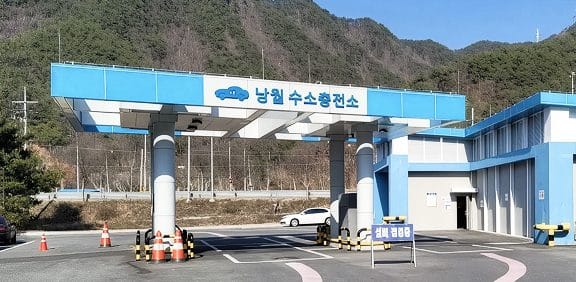
Construction of Hydrogen
Refueling Stations and
Hydrogen Production FacilitiesHyundai Rotem supplies core equipment and systems, including hydrogen compressors and dispensers, for both on- and off-site hydrogen refueling stations operated by HyNet, KOHYGEN, and other partners.
Through these solutions, Hyundai Rotem supports the expansion of hydrogen utilization and the hydrogen mobility ecosystem.
H2 Moving Station
Mobile hydrogen refueling stations mount all essential refueling equipment onto trucks or
large
trailers,
enabling full refueling station functionality wherever
hydrogen
demand exists. Following the launch of the H Gwangjin Moving Station
in Seoul
in 2022, Hyundai Motor Company introduced the H Jeju Moving Station, Korea’s second
mobile
hydrogen refueling station
and the country’s first mobile
station
connected to a green hydrogen supply source.



-
 Gwangjin-gu, Seoul
(Medium-pressure Type No.1)
Gwangjin-gu, Seoul
(Medium-pressure Type No.1)
-
 Jeju (Medium-pressure Type
No.2)
Jeju (Medium-pressure Type
No.2)
-
Korea’s First Mobile Hydrogen Refueling Station
Location Gwangjin-gu, Seoul (Medium-pressure Type No.1)
The Gwangjin H2 Moving Station was Korea’s first mobile hydrogen refueling station, operating with a 350-bar refueling system. Supplied with hydrogen from the HyNet Dangjin Hydrogen Distribution Center, it provided flexible refueling services in areas where permanent infrastructure was unavailable or where temporary demand existed.
-
Korea’s First Mobile Refueling Station Powered by Green Hydrogen
Location
Jeju (Medium-pressure Type No.2)
The Jeju H2 Moving Station is Korea’s second mobile hydrogen refueling station (350 bar) and the country’s first refueling station linked to green hydrogen. Connected to wind-powered hydrogen produced at the Jeju Haengwon 3.3 MW Green Hydrogen Production Complex, it demonstrates a renewable energy-based hydrogen supply system.
Refueling pressure 350 bar
Up to 2.5 kg per vehicle /
Up to 5 Hyundai NEXOs refueled per
hour
Hydrogen Mobility Transition
Hyundai is advancing the era of sustainable hydrogen mobility,
leveraging its
expertise in automotive manufacturing and nearly
30 years of fuel cell research
and
development.
Key achievements in the hydrogen mobility transition


Beyond roads and into rail.
Refueling faster, operating more quietly,
traveling longer distances, carrying heavier loads, and connecting people,
goods,
and regions, Hyundai is advancing the future of
sustainable mobility.
-

No.1
No. 1 in Global Cumulative
Fuel Cell Electric Vehicle Sales -

3,500+ Units
Fuel Cell Electric Buses
Deployed in Korea(World's Largest Fleet, as of August 2026)
-

27 Million km
Global Cumulative Mileage of
Fuel Cell Electric Trucks(As of August 2026)
-

38.8 km
World's Longest Catenary-Free
Fuel Cell Electric Tram Line(Scheduled for Introduction on
Daejeon Line 2 in 2030)
Fuel Cell Electric
Passenger Vehicle Sales
Global No. 1 Fuel Cell
Electric Passenger Vehicle
25+
countries,
Over
49,000
vehicles deployed
Following the launch of the world’s first mass-produced fuel cell electric vehicle, the Tucson ix35 Fuel Cell, Hyundai Motor Company has continued to lead the hydrogen passenger vehicle market with NEXO and the second-generation model, the all-new NEXO, introduced in 2025.
Today, Hyundai Motor Company holds the No. 1 position in global cumulative fuel cell electric passenger vehicle sales.
*As of August 2026
Learn More
Fuel cell electric passenger vehicle content
-
The all-new NEXO Global Unveil
-

NEXO Real Talk Ep. 1: A NEXO Owner Discusses
the All-New NEXO’s Transformation -
The Hydrogen EV Journey, Inside the Making of
the all-new NEXO | TMI Talk

Fuel Cell Electric
Commercial Vehicle Sales


Fuel Cell Electric Trucks & Buses
16 countries, Nearly 4,000 vehicles deployed
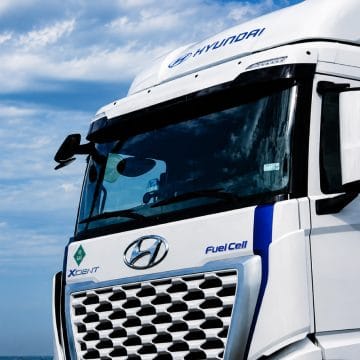
Hyundai is leading the hydrogen commercial vehicle market with the world’s first mass-produced heavy-duty fuel cell electric truck, XCIENT Fuel Cell, as well as ELEC CITY Fuel Cell for urban transit and UNIVERSE Fuel Cell for long-distance transportation.
To date, Hyundai has deployed nearly 4,000 fuel cell electric commercial vehicles, including trucks and buses, across 16 markets worldwide, spanning North America, Europe, Asia, and China.
*As of August 2026
Learn MoreFuel cell electric commercial vehicle lineup
-
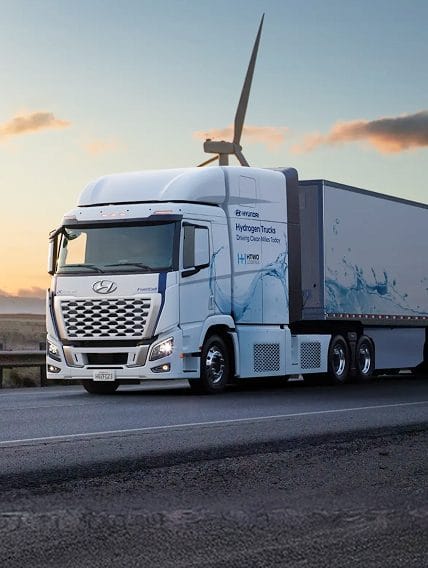
XCIENT Fuel Cell
Fuel Cell Electric Tractor -
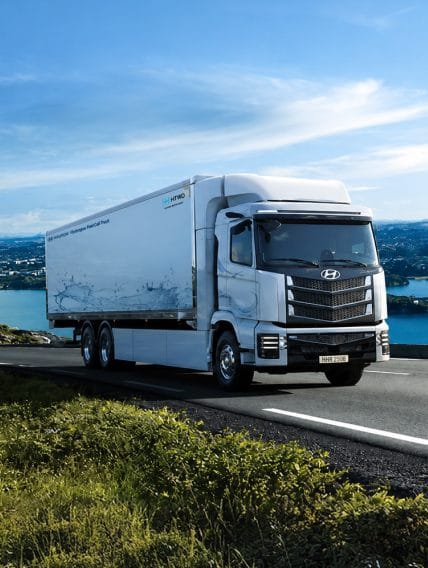
XCIENT Fuel Cell
Fuel Cell Electric Cargo Truck -
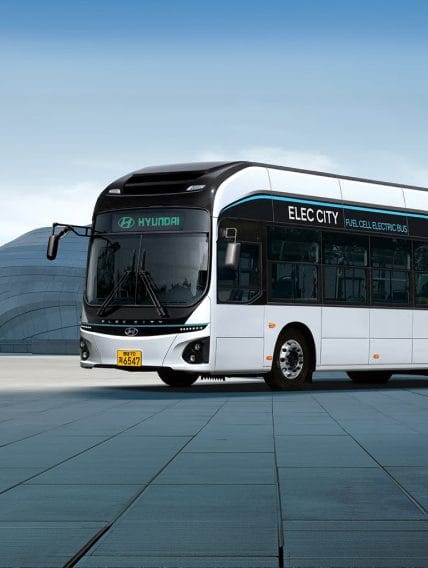
ELEC CITY Fuel Cell
Fuel Cell Electric City Bus -
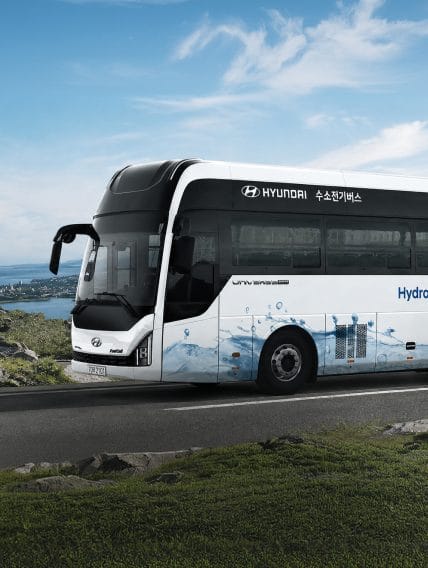

UNIVERSE Fuel Cell
Fuel Cell Electric Coach Bus


Fuel Cell Electric Bus
Deployment
Hyundai Motor Company has led the hydrogen commercial vehicle market through the launch of ELEC CITY Fuel Cell in 2019 and UNIVERSE Fuel Cell in 2023.
As of August 2026, more than 3,500 hydrogen fuel cell buses have been deployed in Korea, representing one of the largest hydrogen bus fleets in the world.
ELEC CITY Fuel Cell


-
Austria Government
Fuel Cell Electric City Bus DeploymentIn 2022, Hyundai Motor Company supplied ELEC CITY Fuel Cell buses to Wiener Linien as part of the Austrian government’s HyBus Project, which aims to expand hydrogen infrastructure and foster hydrogen mobility adoption. The buses currently operate on high-demand urban routes and represent the first deployment of Hyundai fuel cell electric buses in regular overseas city bus service.
-
Hyundai Motor Company – Incheon International Airport Corporation,
Future Mobility Innovation ProjectHyundai Motor Company and Incheon International Airport Corporation (IIAC) are accelerating decarbonization by introducing hydrogen fuel cell buses on shuttle routes connecting Terminal 1 and Terminal 2. As of January 2026, more than half of the airport’s shuttle bus fleet had been converted to fuel cell electric buses, demonstrating hydrogen mobility to millions of travelers visiting Korea each year.

UNIVERSE Fuel Cell


-
Korea’s Leading ESG Companies Fuel Cell
Electric Commuter Bus ConversionSince 2023, seven leading ESG-focused companies, including Hyundai Motor Company, have been transitioning their commuter bus fleets to fuel cell electric buses.
The initiative is expected to accelerate the broader adoption of hydrogen buses in everyday transportation. -
Hyundai Motor Group Fuel Cell
Electric Commuter Bus ConversionHyundai Motor Group is converting nearly 1,600 commuter buses operating across 29 major domestic sites and 10 affiliated companies to fuel cell electric buses. By 2030, these vehicles are expected to consume approximately 1,900 tonnes of hydrogen annually, demonstrating how hydrogen mobility can become part of everyday operations across industrial workplaces.
-
Fuel Cell Electric Support Bus for
Firefighter’s RecoveryIn 2024, Hyundai donated a firefighter recovery support vehicle based on the UNIVERSE Fuel Cell bus to the Jeju Fire Department. Built on the UNIVERSE Mobile Office platform, this premium special-purpose vehicle combines the quiet operation of a fuel cell electric bus with thoughtfully designed interior and exterior features, amenities, and cabin layouts optimized for rest and relaxation.
Fuel Cell Electric Cleaning Truck Deployment
Hyundai Motor Company has deployed nearly 45 fuel cell electric cleaning trucks across Korea, including street sweepers, water trucks, refuse compactors, and roll-off trucks based on the XCIENT Fuel Cell. These vehicles are operating in cities including Seoul, Busan, Incheon, Changwon, Chungju, and Buan-gun.
In addition, Hyundai Motor Company has supplied five XCIENT Fuel Cell-based cleaning trucks, including crane trucks and rear loaders, to the city of Dijon, France, where they are being used for urban environmental services. These hydrogen fuel cell sanitation vehicles not only contribute to improved air quality, but also help enhance working conditions for operators through reduced noise and vibration levels.
*As of July 2026
Learn More
Fuel cell electric cleaning truck content
-
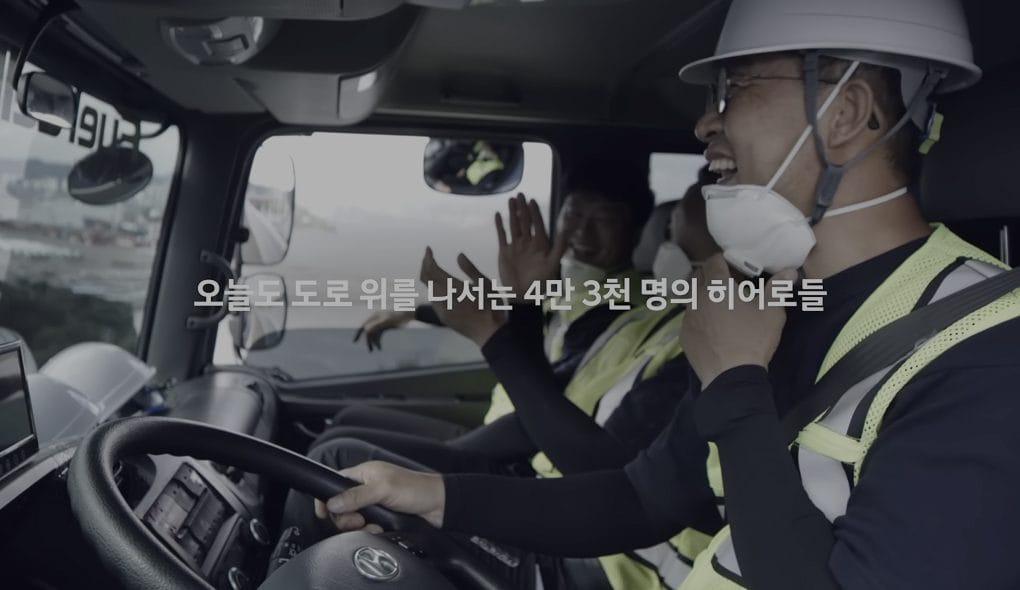
To My Hero ‘Dear My Hero’ Hyundai Motor Group Hydrogen Cleaning Truck
-
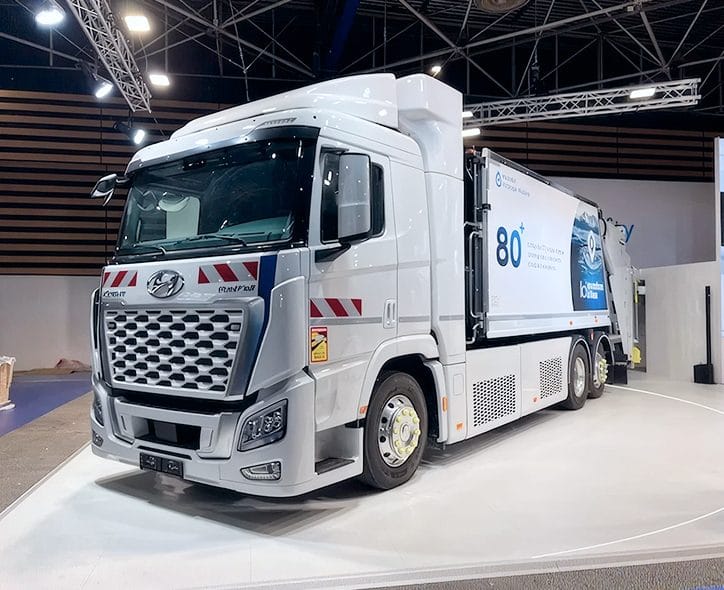
Supply of Garbage Trucks in Dijon, France


Fuel Cell System Supply
for Hydrogen Commercial Vehicles
Hyundai Motor Company supplies fuel cell systems and platform solutions to commercial vehicle manufacturers in Europe and China, enabling the development of fuel cell electric trucks and buses optimized for local operating conditions and customer requirements.
By combining Hyundai’s fuel cell technology with the vehicle design and manufacturing capabilities of local OEMs, the company is expanding hydrogen commercial mobility across key global markets.

Hyundai Motor Company’s hydrogen fuel cell systems are
being deployed across
an expanding range of
commercial vehicle applications
-
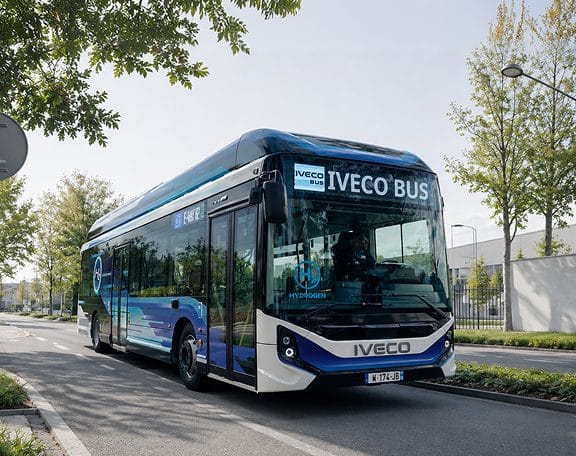
IVECO Group Fuel Cell Electric City Bus
The E-WAY H2 is a 12-meter low-floor fuel cell electric city bus equipped with an HTWO fuel cell system and a battery pack from FPT Industrial, the IVECO Group’s powertrain brand. With a driving range of up to 450 km on a single refueling, the vehicle is being used in pilot operations supporting the transition to sustainable public transportation across Europe.
-
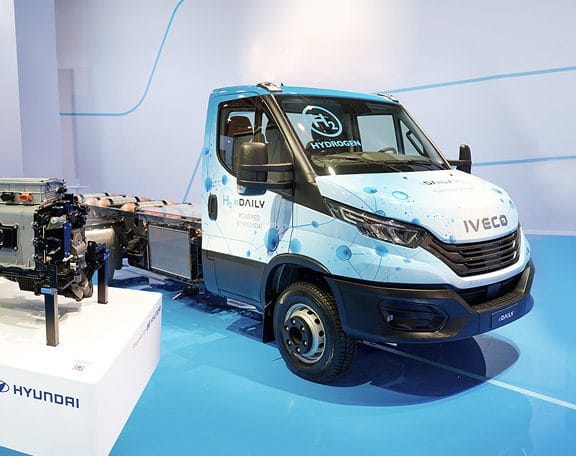
IVECO Group Hydrogen Electric Heavy Van
The eDAILY FCEV, the second collaboration between Hyundai Motor Company and the IVECO Group, is a 7-tonne-class fuel cell electric van based on the IVECO DAILY, IVECO Group’s flagship light commercial vehicle. With a driving range of up to 350 km on a single refueling and a payload capacity of up to 3 tonnes, it is particularly well suited for long-distance last-mile delivery operations.
-
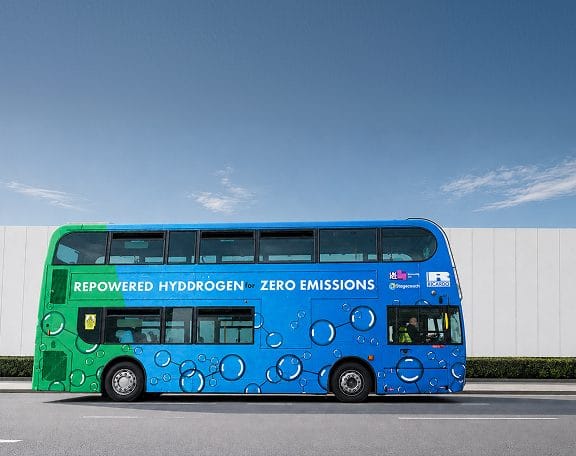
Ricardo Modified Hydrogen Fuel Cell Bus
Hyundai Motor Company supplied fuel cell systems for Ricardo’s fuel cell electric double-decker bus conversion project in the U.K. Through this demonstration project, Hyundai contributed to the decarbonization of the U.K.’s transportation sector and its broader carbon reduction goals.
-
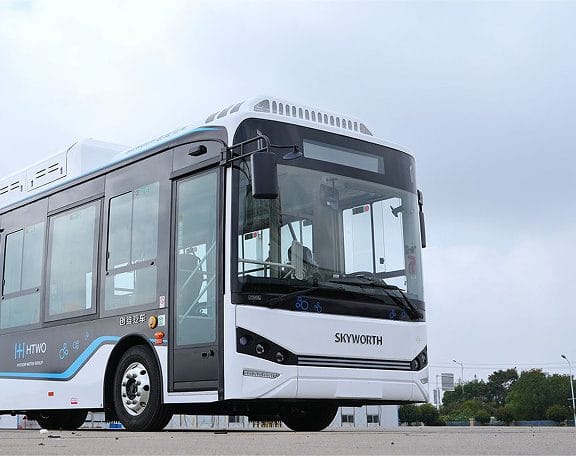
Kaiwo Group Supply of Hydrogen Fuel Cell Buses in Guangzhou
The 8.5-meter-long fuel cell electric bus, jointly developed by Hyundai Motor Group’s fuel cell system production base HTWO Guangzhou and Chinese commercial vehicle manufacturer Kaiwo Group, secured orders for 25 out of 50 units and 224 out of 450 units, respectively, in two procurement projects promoted by the Guangzhou State Bus Group. The order for 224 buses remains the largest fuel cell electric bus procurement project awarded in China to date.
-
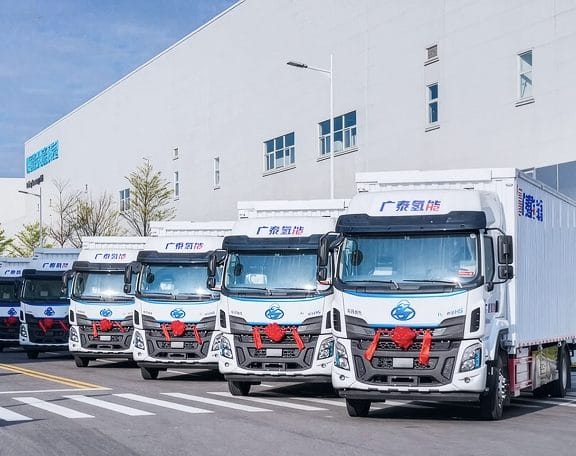
Dongfeng Motor Group Supply of 18-Ton Hydrogen Fuel Cell Logistics Trucks
In 2025, HTWO Guangzhou successfully deployed 320 jointly developed 18-tonne fuel cell electric logistics trucks with Dongfeng Motor Group. Building on this collaboration, HTWO Guangzhou signed an MOU with Dongfeng Liuzhou Motor in 2026 to jointly deploy 1,000 fuel cell electric vehicles by 2030.
-
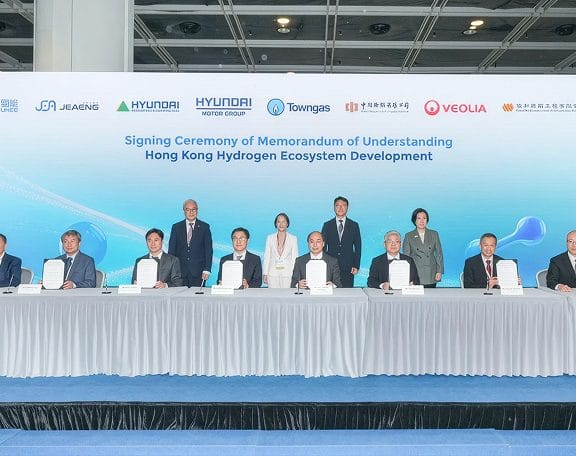
Hong Kong Hydrogen Ecosystem Development
As part of Hong Kong’s hydrogen ecosystem development, fuel cell electric buses will be introduced to support high-mileage transportation services such as airport shuttles and tour buses. Reflecting Hong Kong’s role as a global tourism and logistics hub welcoming nearly 50 million visitors annually, the initiative will help accelerate hydrogen mobility adoption. HTWO Guangzhou is also expected to supply fuel cell systems for locally tailored hydrogen commercial vehicles.


Fuel Cell Electric Railway
Vehicle Deployment
Hydrogen mobility is expanding beyond roads and into rail.
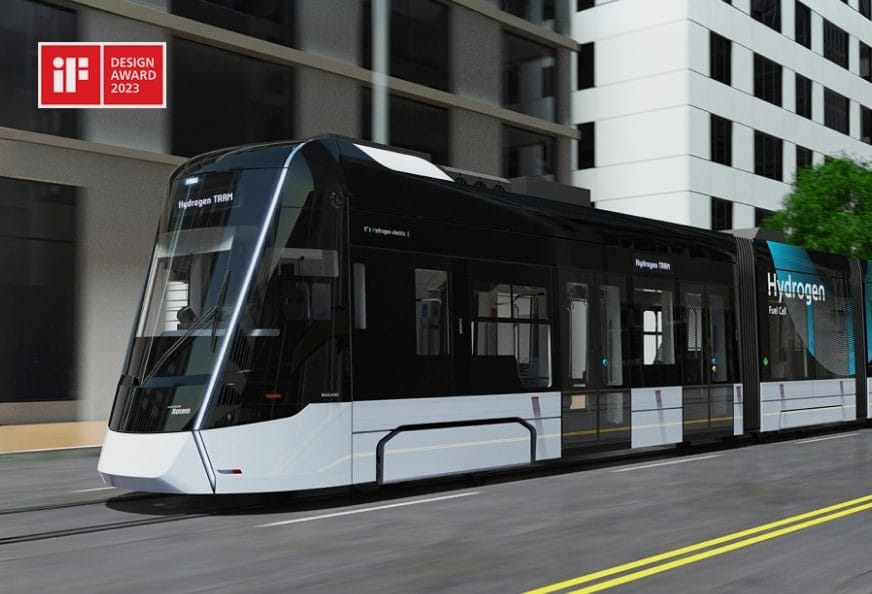
Hydrogen trams
operate without overhead power lines, preserving urban landscapes while providing
clean
public transportation. Hyundai Rotem’s hydrogen tram solutions are planned for deployment
on the
Ulsan Jangsaengpo Line and Daejeon Line 2, which is expected to become the world’s longest
catenary-free hydrogen tram route.
-
Supply of Fuel Cell Electric Tram and Refueling Infrastructure for
Ulsan Jangsaengpo Line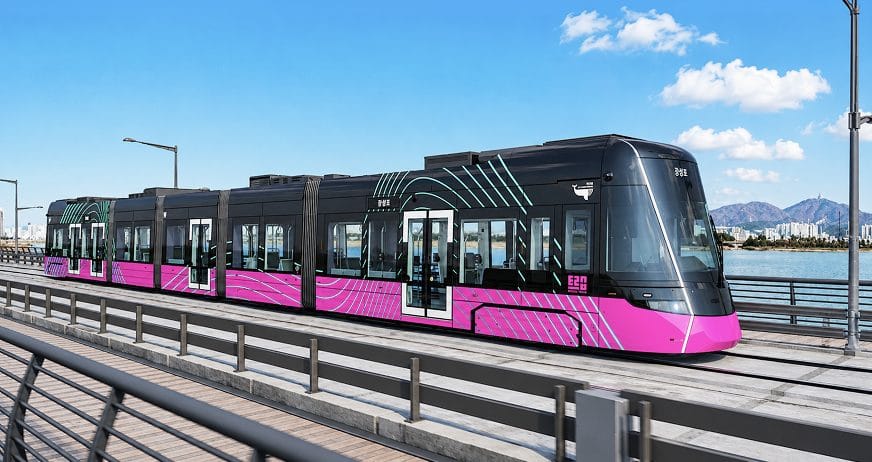
A tourist-oriented fuel cell electric tram connecting Taehwagang Station and Ulsan Port Station in Ulsan, Korea, is scheduled to begin operation in 2027. The 4.6 km route will feature a fully catenary-free fuel cell electric tram system and supporting refueling infrastructure, helping connect transportation and tourism while enhancing the region’s visitor experience.
-
Supply of Fuel Cell Electric Tram and Refueling Infrastructure for
Daejeon Line 2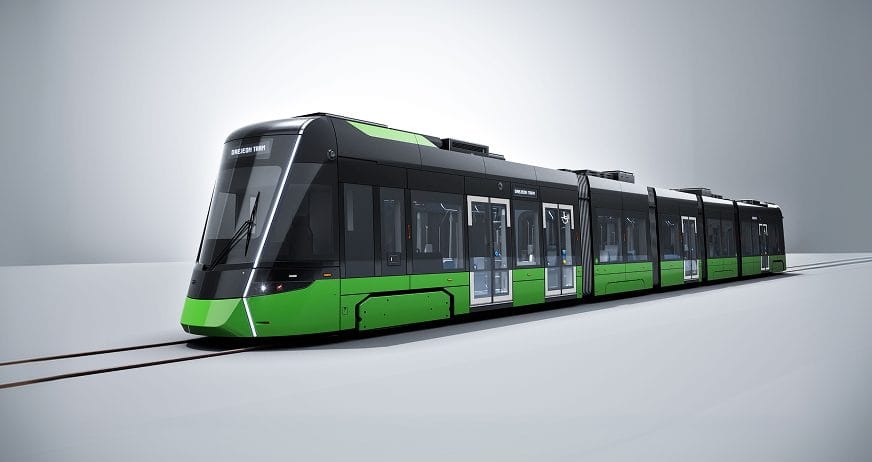
In 2030, the world’s longest single-line catenary-free fuel cell electric tram route will be introduced in Daejeon, Korea. Spanning 38.8 km and connecting 45 stations, the line will become Korea’s first commercial operation of a fully catenary-free fuel cell electric tram system.


Hyundai Rotem’s
Fuel Cell Rail Vehicle Lineup
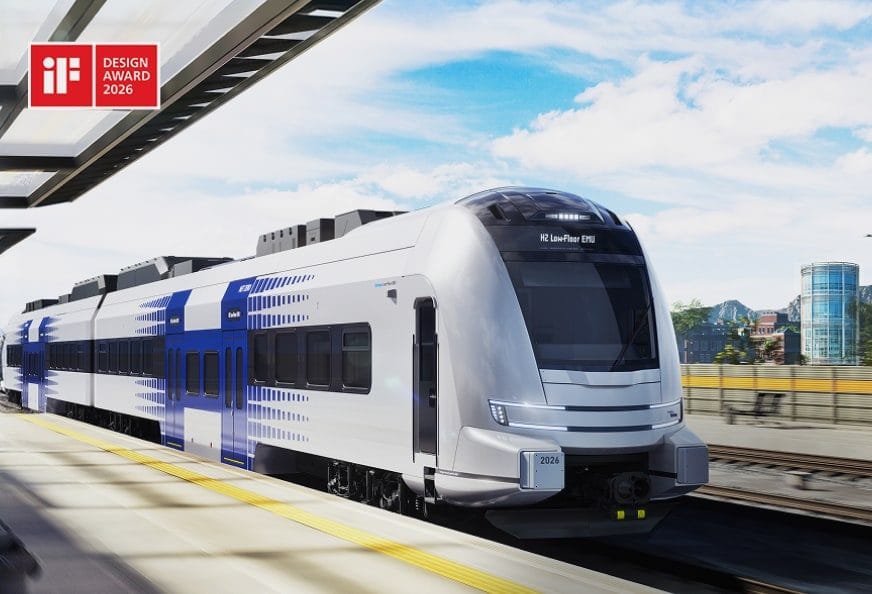
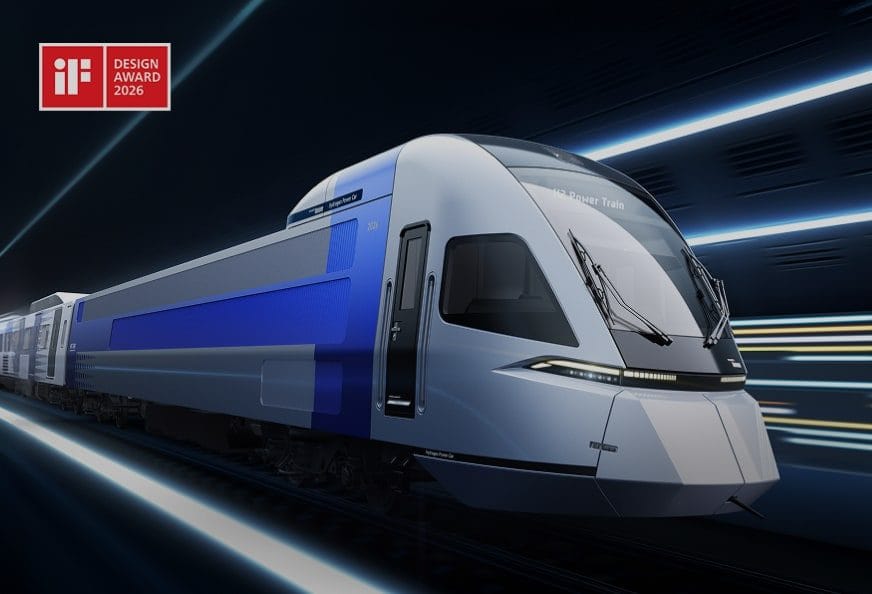
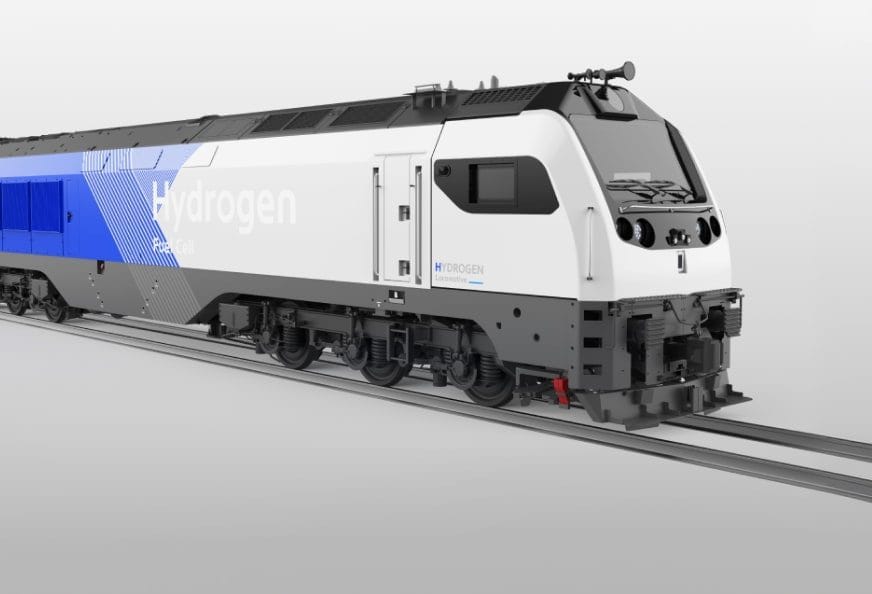
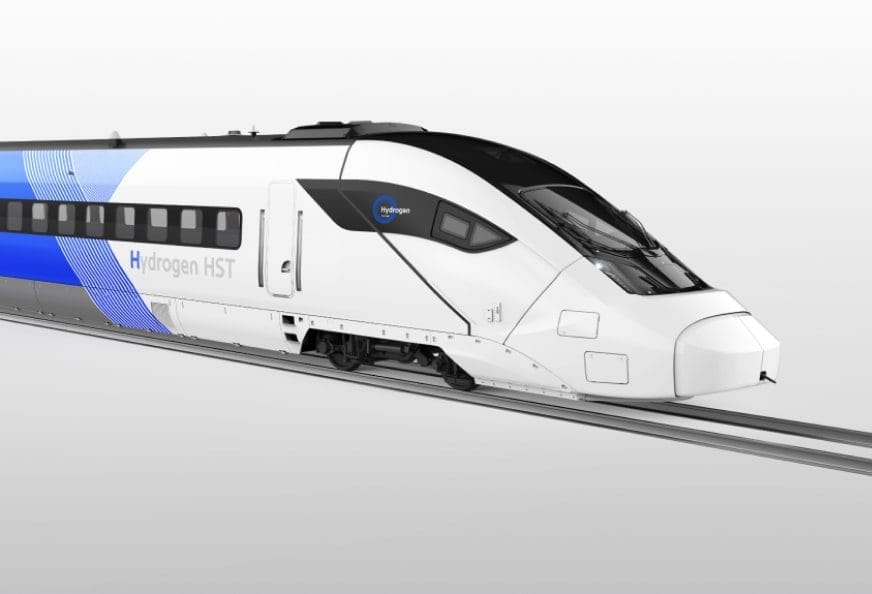
Beginning with fuel cell electric trams, Hyundai Rotem is expanding its hydrogen rail vehicle portfolio to meet the growing demand for hydrogen mobility solutions.
Hyundai Rotem’s fuel cell electric tram, fuel cell multiple unit, and fuel cell electric powered car concepts have received recognition at the iF Design Award, demonstrating leadership in hydrogen-powered rail mobility design.
* Fuel cell electric tram development completed
* Future development planned for fuel cell
electric multiple units, powered cars, locomotives, and high-speed trains
-
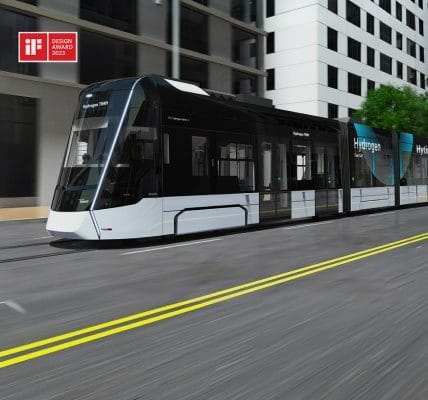
Fuel Cell Electric Tram
-
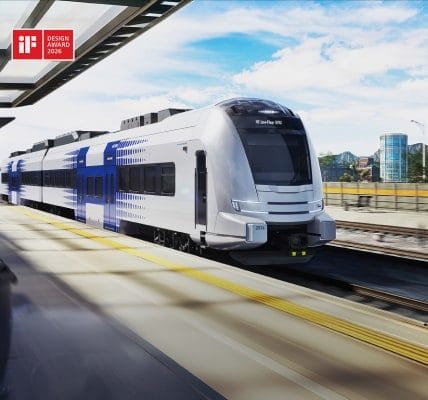
Fuel Cell Electric
Multiple Unit (HEMU) -
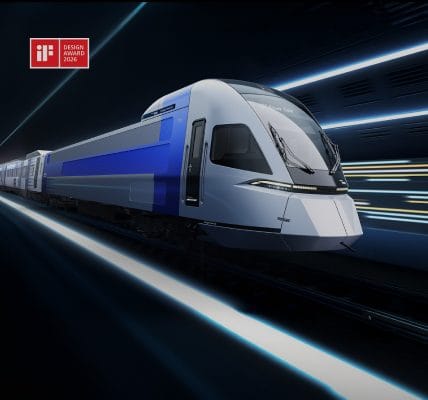
Fuel Cell Electric
Powered Car -
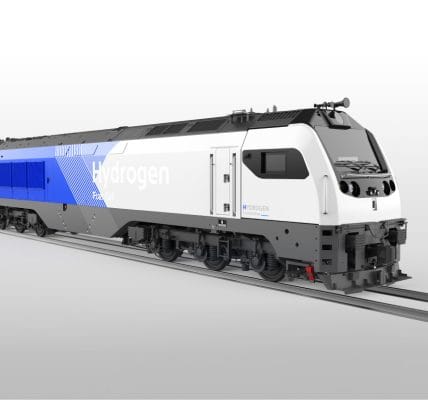
Fuel Cell Electric
Locomotive -
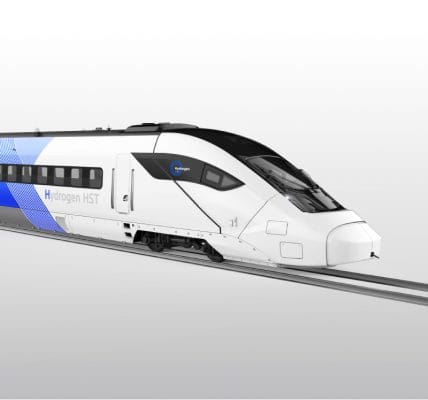
Fuel Cell Electric
High-Speed Train





Low-Carbon Logistics
Hyundai Motor Group is building zero-emission logistics systems across ports and airports
by combining Hyundai Motor Company’s hydrogen mobility
with Hyundai Glovis’s logistics expertise.
Global Low-Carbon
Logistics Business
Leveraging Hyundai’s expertise in fuel cells, hydrogen mobility, and logistics, we are expanding sustainable low-carbon logistics business models and contributing to the decarbonization of freight transportation across global markets.
Learn More-
Switzerland, Europe
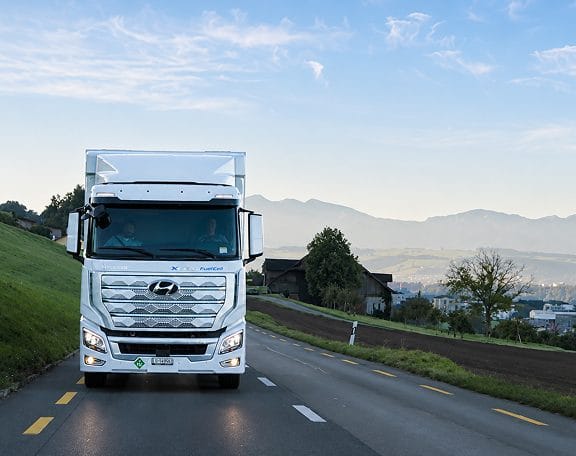
Fuel Cell Electric Truck Deployment in Switzerland
Switzerland became the first market in the world to deploy the XCIENT Fuel Cell commercially. The 48 XCIENT Fuel Cells currently in operation transport a wide range of goods, including food, beverages, and industrial materials, supporting low-carbon logistics operations across the country.
Fuel Cell Electric Truck Deployment in Switzerland Watch Video
-
Germany, Europe
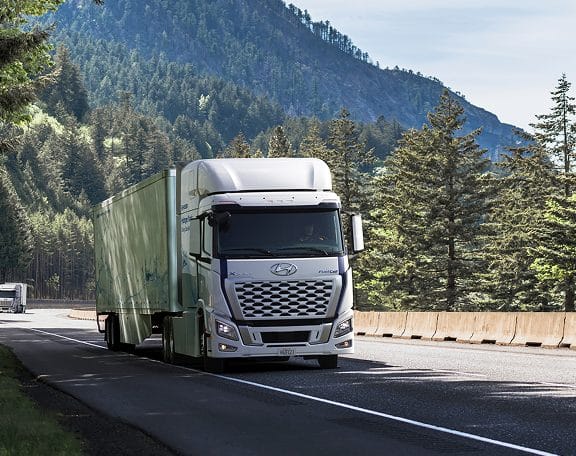
Fuel Cell Electric Truck Deployment in Germany
Hyundai has supplied more than 110 XCIENT Fuel Cells to 13 logistics and manufacturing companies in Germany, Europe’s largest commercial vehicle market. The vehicles are being deployed across a variety of applications, including refrigerated transport and municipal services.
-
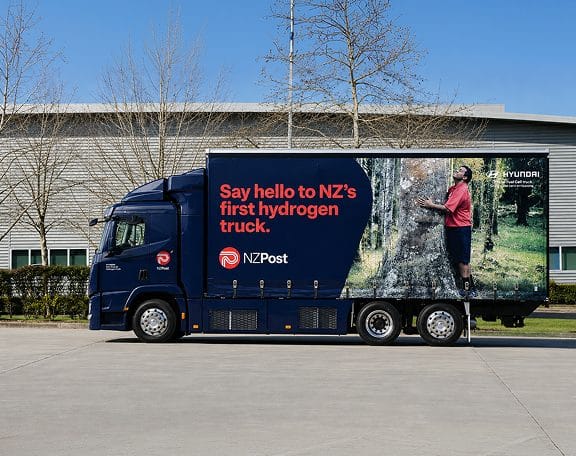
New Zealand
Fuel Cell Electric Truck Deployment at
New Zealand Post (NZ Post)Five XCIENT Fuel Cells have been deployed to the New Zealand Post (NZ Post) and utilized as large delivery vehicles. The decision to introduce them was made to achieve the goal of reducing carbon emissions from freight transport by 35%, and through this, New Zealand became the third country in the world to adopt fuel cell electric trucks.
Fuel Cell Electric Truck Deployment at New Zealand Post Watch Video
-
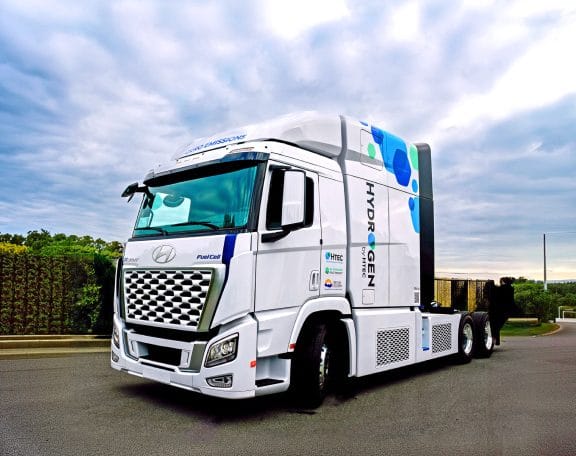
British Columbia, Canada
Port Hydrogen Demonstration Project (BCH2 Ports) & H2 Gateway Program
Together with HTEC, Hyundai Motor Company is helping build a hydrogen transportation ecosystem in British Columbia, centered around the Port of Vancouver, Canada’s largest port. By integrating hydrogen production, refueling infrastructure, and 11 XCIENT Fuel Cells, the project is accelerating the transition to low-carbon logistics.
-
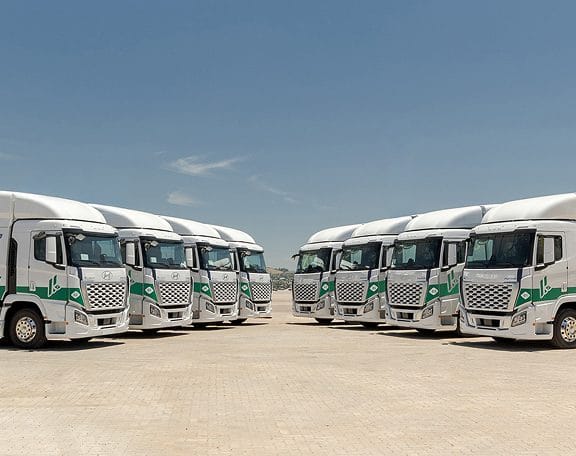
Uruguay, South America
Fuel Cell Electric Truck Deployment in Uruguay
This public-private partnership aims to decarbonize Uruguay’s timber logistics sector. As the first commercial deployment of fuel cell electric trucks in South America, the project will introduce eight XCIENT Fuel Cells powered by green hydrogen produced using solar energy, helping reduce carbon emissions from freight transportation.


Port Decarbonization
Ports are highly carbon-intensive environments where large fleets of fossil fuel-powered equipment operate around the clock.
Hydrogen-powered solutions are emerging as a practical pathway to reducing emissions while maintaining operational efficiency.
Port Decarbonization Businesses


California Port Eco-Friendly Truck
Deployment Project (NorCAL ZERO)
As part of the NorCAL ZERO initiative, a port decarbonization project supported by the California Air Resources Board (CARB) and the California Energy Commission (CEC), 30 XCIENT Fuel Cells have been deployed for freight operations at the Port of Oakland.
This represents the largest single deployment of fuel cell electric trucks by a commercial fleet operator in North America.

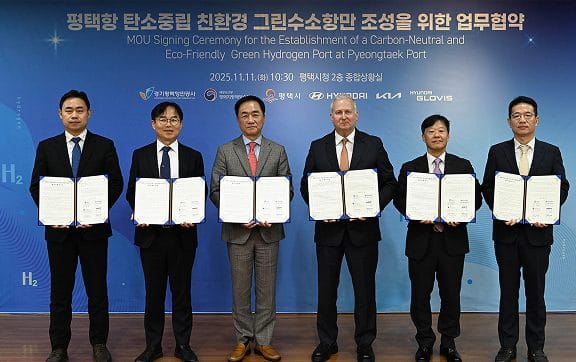
Establishment of a Carbon-Neutral
Port at Pyeongtaek Port
By introducing fuel cell power generators to the automobile terminal operated by Kia, Hyundai Glovis, and Pyeongtaek International Automobile Terminal (PIRT), while expanding hydrogen production and supply infrastructure in the Pyeongtaek Port area, Hyundai is accelerating the transition to a carbon-neutral hydrogen port. This includes hydrogen-powered port equipment, trucks, refueling stations, and hydrogen and ammonia bunkering infrastructure.
Through these efforts, Hyundai aims to support the realization of Korea’s Hydrogen Port and Hydrogen City initiatives through public-private collaboration.
-
Pyeongtaek Port Fuel Cell Power Generator Deployment
Learn more about Pyeongtaek Port Fuel Cell Power Generator
Deployment
Hyundai is advancing the transition of Pyeongtaek Port into a green hydrogen port through the deployment and operation of 100 kW fuel cell power generators at the automobile terminal operated by Kia, Hyundai Glovis, and Pyeongtaek International Automobile Terminal (PIRT).
Leveraging the port and surrounding infrastructure, Hyundai is establishing Korea’s first hydrogen-based power supply system within a port, helping reduce carbon emissions and enhance energy sustainability. The project also represents a leading example of public-private collaboration supporting Korea’s Hydrogen Port and Hydrogen City initiatives.
-
Pyeongtaek-Asan Fuel Cell Electric Car Transporter Demonstration
Learn more about Pyeongtaek-Asan Fuel Cell Electric Car Transporter
Demonstration
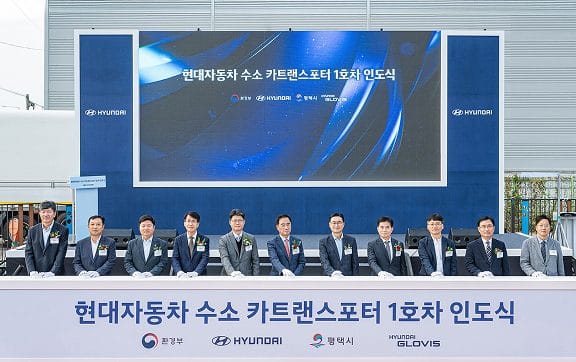
Hyundai is conducting a demonstration project with the XCIENT Fuel Cell Car Transporter to replace diesel-powered vehicle carriers operating between Hyundai Motor Company’s Asan Plant and Pyeongtaek Port.
Based on the XCIENT Fuel Cell truck platform, the car transporter can carry up to six vehicles simultaneously. The vehicle is currently transporting export vehicles along a round-trip route of approximately 40 km between the Asan Plant and Pyeongtaek Port. Insights gained from the demonstration will support future deployment and commercialization.

Ulsan Port Fuel Cell Electric
Tractor Demonstration
In conjunction with Ulsan Metropolitan City’s selection for Phase 3 of the Ministry of Land, Infrastructure and Transport’s Hydrogen City Development Project, Hyundai Motor Company will carry out Korea’s first fuel cell electric heavy-duty tractor demonstration project for three years starting in 2025. The project is being conducted under a regulatory sandbox framework and aims to validate vehicle performance, secure operational data, and enhance acceptance within the logistics industry through operation on actual logistics routes.
Through the demonstration of hydrogen-powered heavy-duty trucks, which account for approximately 52% of CO₂ emissions, Hyundai Motor Company seeks to accelerate eco-friendly logistics innovation and lay the foundation for the growth of Korea’s fuel cell electric truck market and the strengthening of its global competitiveness.
*Although heavy-duty trucks over 12 tons account for only about 23% (approximately 98,000 vehicles) of all commercial freight vehicles in operation, they are estimated to generate 52% of total CO₂ emissions. -Source: The Korea Transport Institute, “Policy Directions for the Eco-Friendly Transition of Commercial Freight Vehicles” (as of 2020)
Learn More
Ulsan Port Fuel Cell Electric Tractor Demonstration Operation System Diagram

Ulsan Metropolitan City oversees the demonstration project and supports and manages both Hyundai Motor Company and the participating logistics companies.
- Hyundai Motor Company – Development of the XCIENT Fuel Cell tractor
- Logistics companies – Fuel cell electric tractor operation (cargo transport)
Hyundai Motor Company provides vehicle supply and after-sales service to the logistics companies, and the logistics companies provide operational data and user feedback to Hyundai Motor Company.
The participating logistics companies are Hyundai Glovis, CJ Logistics, and Lotte Global Logistics.
Industrial Energy Transition
By replacing fossil fuel-based energy sources with hydrogen across industrial operations,
we are accelerating the transition to carbon neutrality throughout industry.
Hydrogen Fuel Cell System &
Power Pack Deployment
We provide hydrogen fuel cell-based energy solutions across a wide range of industrial applications, from power generation to industrial equipment, helping accelerate industrial decarbonization and energy transition.
Learn MoreHydrogen fuel cell system and power pack applications
Power Generation
Hyundai Motor Company’s fuel cell systems can be used as eco-friendly power sources for buildings and industrial facilities, providing zero-emission, low-noise electricity compared with conventional diesel generators.
Hyundai is currently supplying small-scale fuel cell power generators to customers in Korea and overseas and is conducting a demonstration project for a 500 kW-class fuel cell power generator in collaboration with Korea East-West Power.
-
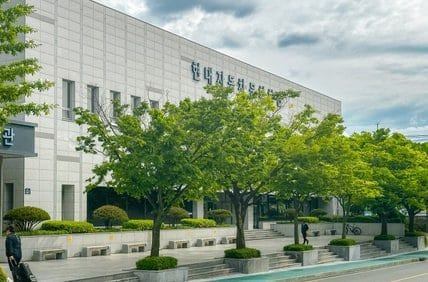
- Project Lead
- Hyundai Motor Company
- Location
- Hyundai Motor Company Ulsan Culture Center
- Capacity
- 100 kW
- Application
- In-building self-generation
-
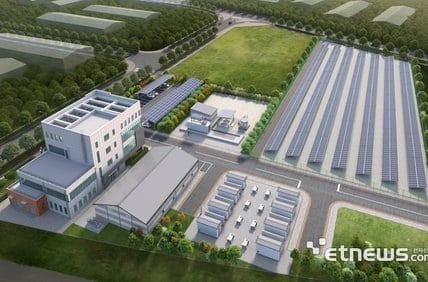
- Project Lead
- Korea Electrical Safety Corporation (KESCO)
- Location
- Wanju ESS Safety Evaluation Center
- Capacity
- 400 kW(100 kWx4)
- Application
- Power supplement due to ESS charge/discharge losses
-
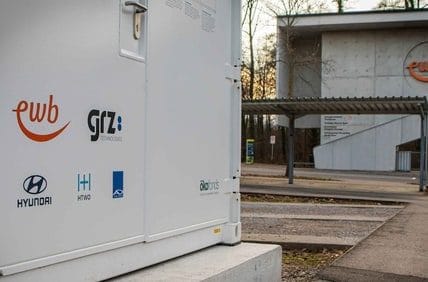
- Project Lead
- GRZ Technologies (Switzerland)
- Location
- Forsthaus Energy Centre, Switzerland
- Capacity
- 180 kW
- Application
- EV charging and backup power for buildings
-
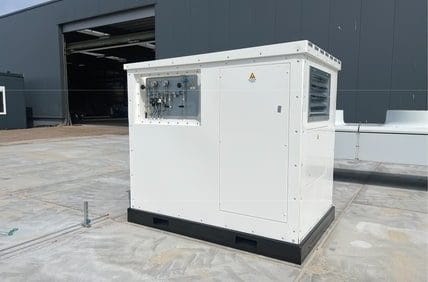
- Project Lead
- HyER Power (Netherlands)
- Location
- Blissingen, Netherlands
- Capacity
- 80 kW
- Application
- Combined heat and power (CHP) demonstration
-
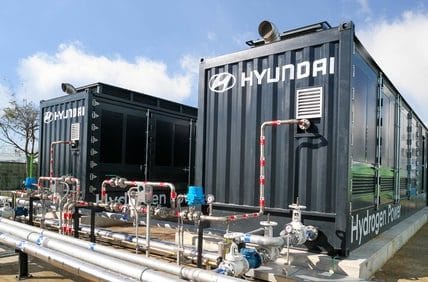
- Project Lead
- Hyundai Motor Company, Korea East-West Power
- Location
- Korea East-West Power Ulsan Power Plant
- Capacity
- 1 MW (500 kW x 2)
- Application
- 500 kW-class fuel cell power generator demonstration


Vessels
Hyundai Motor Company is adapting its fuel cell systems for marine applications and expanding their use across a wide range of ships. Hyundai supplied fuel cell systems to KMCP for a demonstration project involving a fuel cell electric boat powered by a hybrid electric propulsion system.
Hyundai Motor Company is also working with HD Korea Shipbuilding & Offshore Engineering (HD KSOE) and Pusan National University (PNU) to develop a hybrid electric propulsion system consisting of a hydrogen dual fuel engine and Hyundai Motor Company’s maritime hydrogen fuel cell. The technology is expected to serve as a key power source for next-generation eco-friendly vessels, including liquefied hydrogen carriers.

Port Equipment
Developed jointly by Hyundai Motor Company and REEDYK B.V. of the Netherlands, the fuel cell electric crane equipped with a 95 kW fuel cell system is currently in commercial operation at active worksites.
The solution improves operational efficiency in ports and logistics facilities while helping reduce carbon emissions and accelerate the transition to cleaner operations.

Construction & Agricultural Machinery
Hyundai Motor Company and HD Hyundai Construction Equipment have jointly unveiled the HW155H, a 15-tonne-class fuel cell electric excavator.
With their high energy density and fast refueling capability, fuel cell power packs are ideally suited for construction equipment, agricultural machinery, tractors, and other specialty vehicles that require sustained heavy-duty operation in demanding environments. Their performance is currently being validated through a range of development and demonstration projects.

Industrial Vehicles
Industrial vehicles equipped with fuel cell power packs, such as forklifts, can operate continuously for about five hours after just five minutes of refueling, maximizing operational efficiency.
Hyundai Motor Company is working with leading industrial vehicle manufacturers in Korea and overseas to expand the adoption of fuel cell power packs for industrial mobility applications.

Hydrogen Burner
Hyundai is developing medium- and large-scale hydrogen-only burners, building on the introduction of small hydrogen burners in the painting process at its Ulsan plant. By deploying hydrogen-only burners across a wide range of equipment, including regenerative thermal oxidizers (RTOs), air handling units (AHUs), and boilers, Hyundai aims to establish hydrogen-powered manufacturing operations and advance its net-zero ambitions across domestic and global production facilities.
Learn More
NET ZERO 2045
Hyundai Motor Group’s Manufacturing
Decarbonization Roadmap
-
Ulsan Plant Painting Process
Transitioning paint oven heat sources to hydrogen burners
-
Expanding Hydrogen Burner
Applications Across Production FacilitiesConverting nearly 5,000 LNG burners to hydrogen burners across domestic manufacturing facilities
-
Overseas Expansion
Building a hydrogen-powered low-carbon manufacturing system across North America and Europe
Low-Carbon Steelmaking

Hyundai Steel is producing low-carbon steel sheets under its proprietary HyECOsteel brand through a world-first hybrid steelmaking process that combines molten iron from both blast furnaces and electric arc furnaces. This process reduces carbon emissions by approximately 20% compared with conventional blast furnace steel production. HyECOsteel products are supplied as automotive steel sheets for vehicle manufacturing.
Looking ahead, Hyundai Steel plans to transition from coal-based steelmaking to hydrogen-based steel production using hydrogen direct reduced iron (H-DRI) technology. The company aims to reduce carbon emissions by up to 90% compared with conventional blast furnace production.
- ※ The 20% reduction in carbon emissions is based on cradle-to-gate CO₂e emissions calculated in accordance with Hyundai Steel’s internal methodology aligned with ISO 14044 life cycle assessment standards. Third-party verification is planned.
- ※ Hydrogen-based steelmaking is a long-term technology development initiative. Certain technologies remain in the research, development, and demonstration phase, and future commercialization will depend on technical feasibility and commercial scalability.

U.S. Integrated
Electric Arc Furnace (EAF) Steel Mill
Hyundai plans to establish a localized supply chain for high-quality, low-carbon automotive steel
sheets
through the construction of an electric arc furnace steel mill in the U.S.
In the near term, Hyundai Steel will reduce emissions through renewable energy and carbon capture
and
storage (CCS) technologies. Over the longer term, Hyundai Steel plans to introduce hydrogen into the
iron ore reduction process as part of its transition toward carbon-neutral steel production.
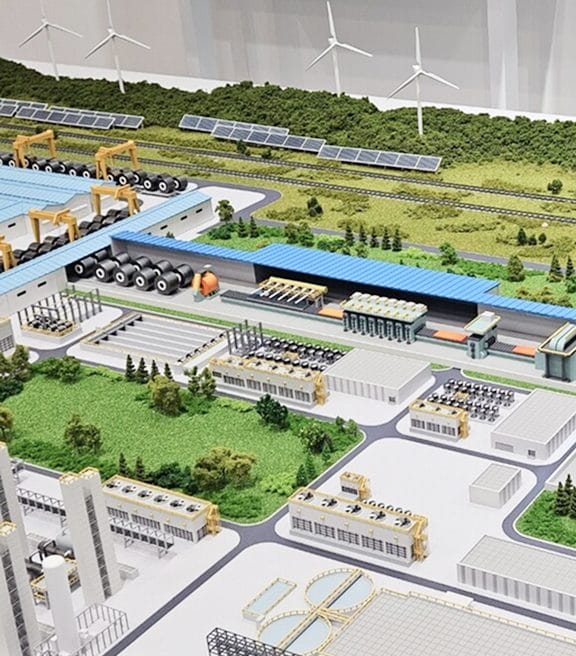
-
Total Investment
$5.8B


-
Location
Donaldsonville, Louisiana
RiverPlex MegaPark · 1,822 acres
-
Annual Production Capacity
2.7Mtonnes/year
High-quality Automotive Steel
-
Commercial Production
Q1 2029
Defense Energy System
Beginning with the deployment of hydrogen-powered military vehicles
and resilient
power infrastructure, we are building a hydrogen-based distributed energy system
optimized for military operations, ensuring reliable energy supply and sustained
mission readiness.
Advantages of hydrogen in defense applications
-

Mobility and Mission
Endurance- Supports mobile power systems through hydrogen’s high energy density
- Enables extended mission duration through rapid refueling and high-capacity, long-term energy storage
-

Versatility
- Low noise and vibration, combined with lightweight and compact designs, enable deployment across a wide range of military platforms
- Power can be supplied through multiple solutions, including fuel cells and power generators
-
Energy Independence
- Enables self-sufficient energy production and supply in remote locations with limited access to external power grids
- Enhances supply security through diversified energy supply chains


Many countries are actively exploring hydrogen fuel cell technologies for military applications.
The Republic of Korea Army is pursuing a strategic transition from conventional internal-combustion systems to hydrogen-powered platforms. Hydrogen is emerging as a key enabler of next-generation defense systems, offering extended operational range, rapid refueling, and low-noise performance for enhanced mission capability. It also provides reliable power for mission-critical equipment and communication systems, supporting a more resilient and sustainable military energy ecosystem.
Military Hydrogen
Mobility Development
Kia and Hyundai Rotem, specializing in defense solutions, are leveraging Hyundai Motor Company’s hydrogen fuel cell technology to advance various R&D projects for hydrogen-powered military mobility applications. Hydrogen-powered military platforms generate less heat and noise than conventional internal-combustion systems, helping reduce the risk of detection. They enable rapid refueling and can be integrated into a wide range of military platforms through lightweight and compact system design, providing enhanced mobility and operational flexibility.
Hydrogen-based power support systems provide the logistical foundation for reliable hydrogen supply not only during emergencies such as natural disasters and accidents but also in remote and tactical environments. With a safe and scalable energy supply infrastructure, these solutions support sustainable military operations across diverse operational environments.
-
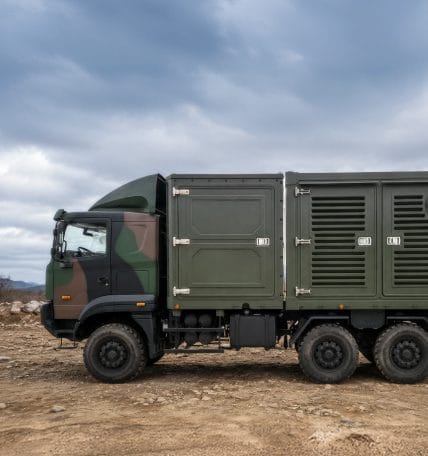
100 kW Mobile Fuel Cell Power Generator
Learn More
Serves as a clean, low-noise power source for frontline units and field bases. Ensures emergency power supply on battlefields and at disaster sites.
-

All-terrain Vehicle (ATV) Powered by Hydrogen & Mobile Hydrogen Refueling Station
Learn More
Delivers superior mobility through application of a lightweight, compact platform optimized for air transport. Adopts a differential-pressure refueling system optimized for hydrogen-powered light tactical vehicles.
-
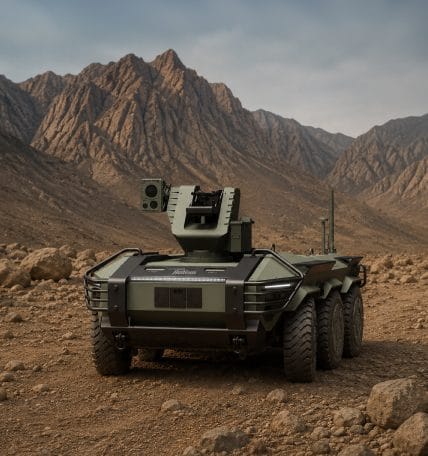
Fuel Cell Electric Unmanned Wheeled Mobility Platform
Learn More
Enables flexible application of integrated electrified rolling chassis for special-purpose military mobility. Drives the growth of the hydrogen mobility industry by expanding applications to civilian sectors such as port and airport logistics.
-
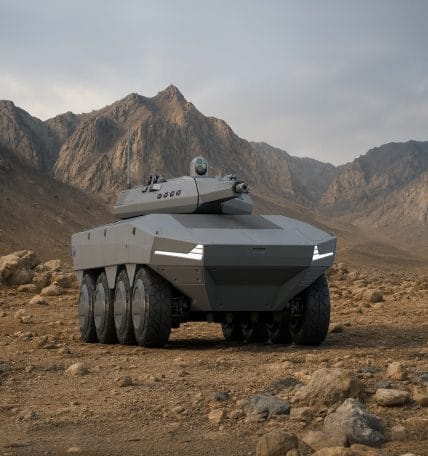
Fuel Cell Electric Wheeled Armoured Vehicle
Learn More
Enables stable power supply to support mobilities requiring high energy. Enhances operational performance through the low-noise, low-heat, and zero-tailpipe-emission characteristics of hydrogen fuel cells.
Comprehensive
Defense Solutions
Hyundai aims to deliver comprehensive defense solutions that support the establishment of an independent military energy ecosystem, spanning hydrogen production through electrolysis, energy supply via hydrogen refueling and power generation systems, and the transition of military platforms and logistics support vehicles to hydrogen power.
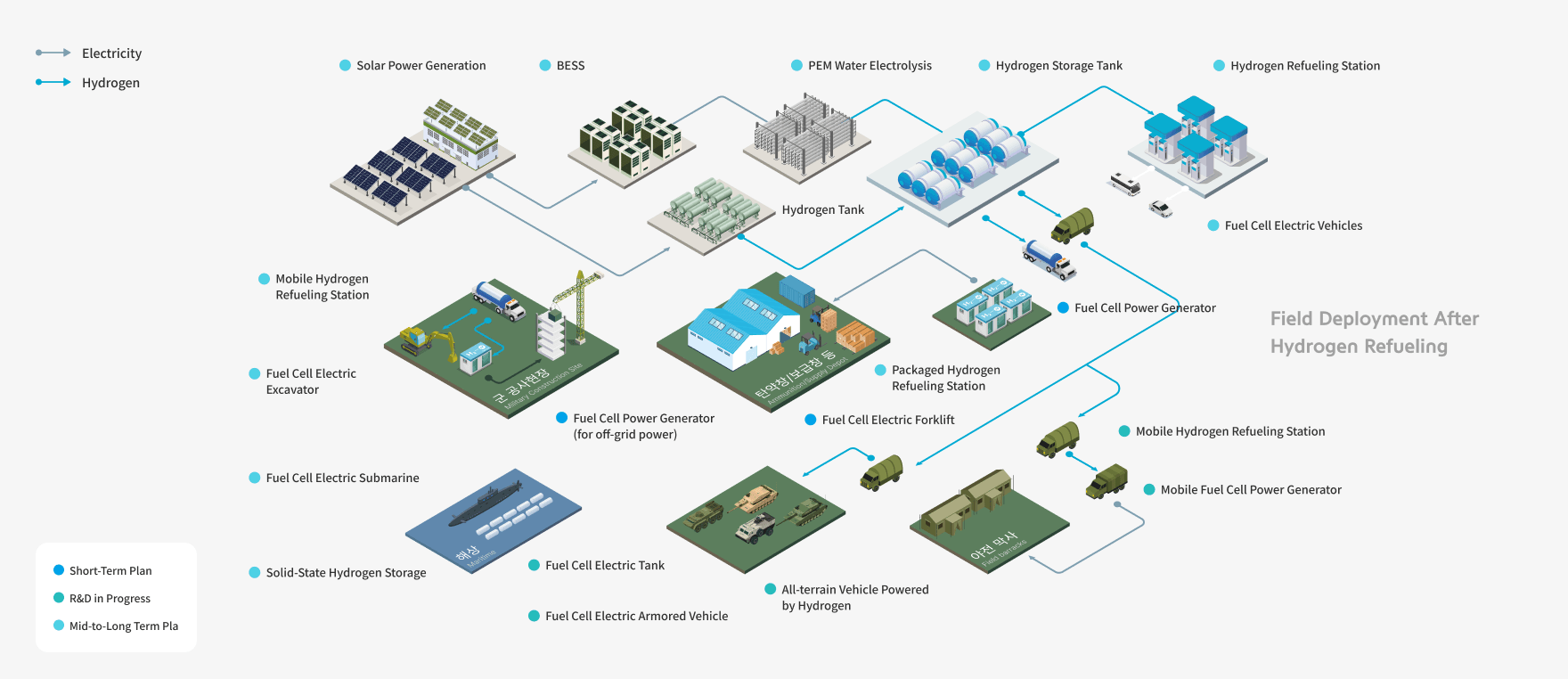
The diagram connects the production, storage, refueling, and utilization stages through two flows: electricity and hydrogen.
Hydrogen production, storage, and refueling infrastructure
- Solar Power Generation
- Battery Energy Storage System (BESS)
- PEM Water Electrolysis
- Hydrogen Storage Tank
- High- and Low-Pressure Hydrogen Tanks
- Hydrogen Refueling Station
- Packaged Hydrogen Refueling Station
- Mobile Hydrogen Refueling Station
Power generation and industrial applications
- Fuel Cell Power Generator
- Fuel Cell Power Generator (for off-grid power)
- Mobile Fuel Cell Power Generator
- Fuel Cell Electric Excavator
- Fuel Cell Electric Forklift
- Fuel Cell Electric Passenger Cars
Military platforms and logistics support
- Fuel Cell Electric Tank
- Fuel Cell Electric Armored Vehicle
- All-terrain Vehicle Powered by Hydrogen
- Fuel Cell Electric Submarine
- Solid-State Hydrogen Storage
Deployment sites
- Military Construction Site
- Ammunition Depots and Supply Depots
- Maritime
- Field Barracks
Implementation phases
- Short-Term Plan
- R&D in Progress
- Mid-to-Long Term Plan
After refueling, hydrogen mobility assets are deployed to the field to carry out their missions.

The Launchpad for Reshaping
Korea’s Industrial Future
Saemangeum AI Valley
Hyundai Motor Group, in partnership with the South Korean government and Jeonbuk State,
is establishing an
innovation hub in Saemangeum that integrates robotics, AI and hydrogen
energy.
Hyundai Motor Group’s integrated capabilities across energy, AI data centers,
robotics
and autonomous mobility serve as a key competitive advantage in
realizing future
cities where
humans, robots and AI coexist.
Five Key Competitive Advantages Powering the Saemangeum AI Valley
Saemangeum AI Valley brings together clean energy, AI, and robotics to create an intelligent ecosystem where industries and cities continuously learn, adapt, and advance. By linking energy production, industrial operations, mobility, and urban services into a self-sustaining cycle, it seeks to establish a new model for sustainable cities and future industrial development.
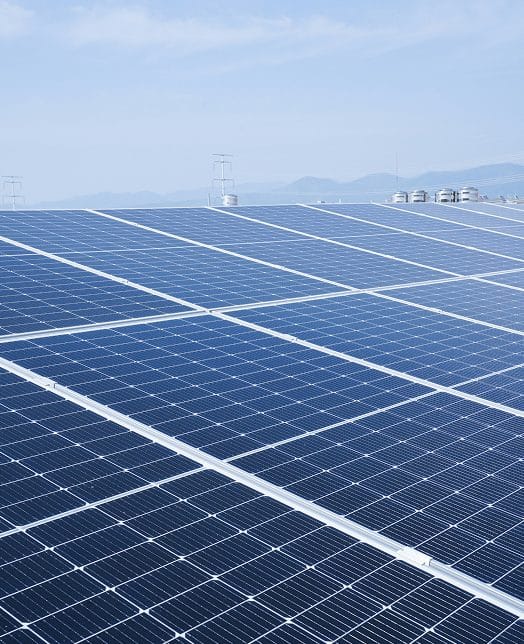

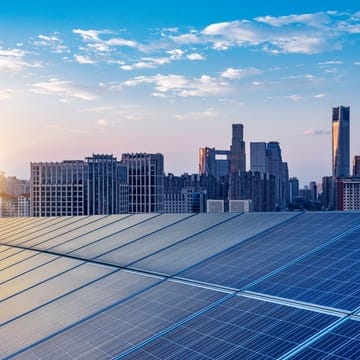
Solar Power Generation
GW-scale power generation facilities supporting RE100 achievement
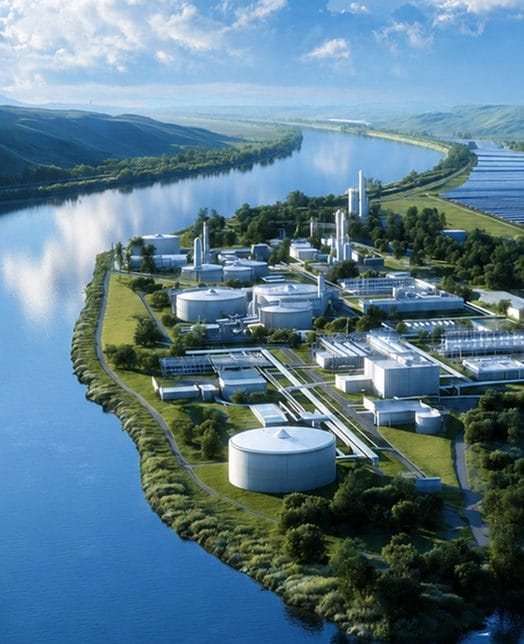

Water Electrolysis Plant
200 MW-scale, producing 30,000 tonnes of clean hydrogen per year
Learn More
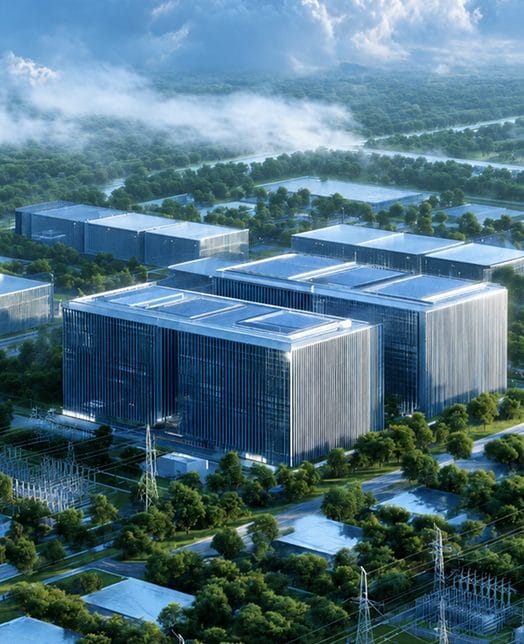

AI Data Center
50,000-GPU-scale computing power Core infrastructure for physical AI training

AI Robotics
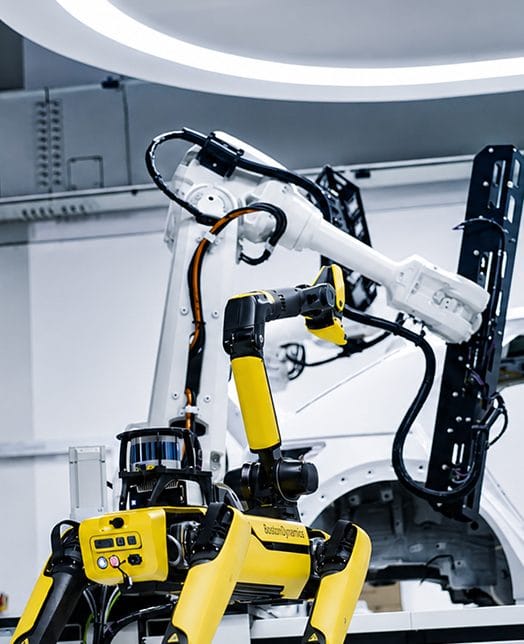
Manufacturing Facility
Annual production capacity of approximately 30,000 units
Korea’s first
AI robotics
manufacturing facility
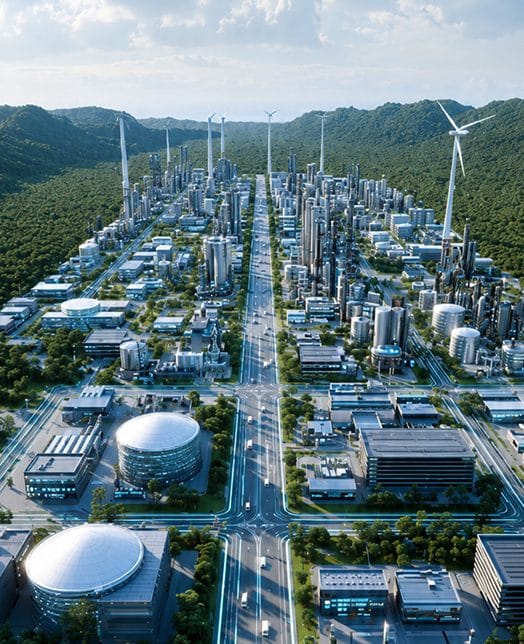

AI Hydrogen City
A Smart City where autonomous mobility, robotics, and hydrogen converge to
create an
integrated industrial ecosystem.
Saemangeum Smart Waterside City,
spanning 6.6 km²
Expected impact of the Saemangeum AI Valley
-
Solar Power Generation
GW-Scale
Accelerating
Carbon Neutrality -
Clean Hydrogen
Production30,000 Tonnes/Year
Advancing Energy
Independence* Based on a 200 MW-scale
water electrolysis plant -
Creating Direct and
Indirect Employment71,000 jobs
Creating Quality
Employment Opportunities
for Young People* Based on Ministry of Data and Statistics
and the Bank of Korea’s input-output tables
A Next-Generation
Hydrogen Ecosystem
Powered by Energy
Independence
and
AI Innovation
A localized energy
system will
enable energy generated
within the region to be consumed where
it is
produced.
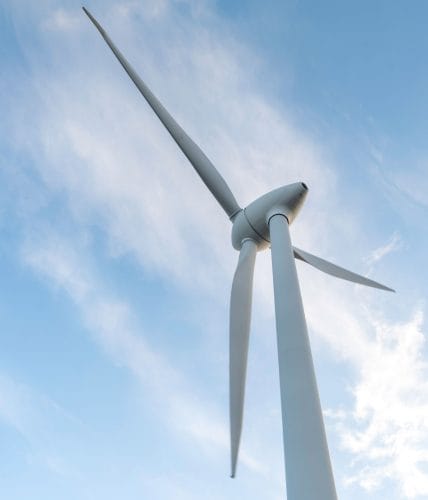
Clean electricity generated from abundant renewable energy resources will power AI data centers and robotics manufacturing facilities while supplying electrolysis plants that produce hydrogen.
The hydrogen produced will support mobility solutions
and
urban power
generation, accelerating progress toward
carbon neutrality. At
the same
time, data generated
throughout city operations will optimize
energy
management
and operational efficiency in real time.
Together, AI, robotics and hydrogen technologies will create a self-sustaining ecosystem that seamlessly connects energy production, supply, storage, utilization and intelligent optimization.
This integrated circular structure, Saemangeum AI Hydrogen City
will evolve into a
benchmark
model for future net-zero AI cities.

In Hyundai’s vision for Saemangeum AI Valley,
hydrogen serves as the vital
link connecting AI, data, robotics, mobility and
urban living to create a fully
integrated future industrial ecosystem.

D.E.S.I.G.N. the
Saemangeum AI Valley
Building on Hyundai’s manufacturing excellence and proven innovation capabilities in robotics and hydrogen energy, the Saemangeum AI Hydrogen City will serve as a platform for public-private collaboration and the creation of sustainable demand for power, data, and robotic solutions.
-
Demand
Creating new requirements for power,
data, and robotic solutions -
Experience
Drawing on the Group’s world-class
manufacturing expertise -
Supply Chain
Building integrated robotics and
hydrogen energy ecosystems -
Infrastructure
Leveraging Korea’s transportation,
digital and logistics networks -
Government
Aligning with national strategic
priorities and policy initiatives -
Network
Enabling public-private partnerships
and global expansion
-
2026
- Investment Agreement Signed and Phased Development Initiated
-
2027
- Groundbreaking of the Water Electrolysis Plant
- Groundbreaking of the GW-Scale Solar Power Facility
- Groundbreaking of the AI Data Center
-
2028
- Groundbreaking of the AI Robotics Manufacturing Facility
- Groundbreaking of the Components Cluster
-
2029
- Completion of the AI Data Center
- Phase 1 Completion of the Solar Power Facility
- Phase 1 Completion of the Water Electrolysis Plant
- Completion of the Robotics Manufacturing Facility
-
2030 ~
- Global Expansion Leveraging the Saemangeum Model
The next-generation industrial paradigm
emerging from Saemangeum has the
potential to
reshape not only a region,
but Korea’s industrial future.
Supported by government policies and infrastructure,
Hyundai Motor Group
brings
together the manufacturing excellence,
AI capabilities, and hydrogen energy
expertise needed
to establish a truly advanced industrial ecosystem.
Built on strong public-private collaboration,
the Saemangeum Innovation Hub
will
serve as a catalyst for innovation
and a new engine of sustainable growth for
Korea.
Hydrogen Ecosystem Development
Hyundai is consolidating the capabilities of its group companies across the entire hydrogen value chain to
build a
hydrogen ecosystem optimized for the energy resources and industrial
characteristics of each country and region.
Hydrogen city and hydrogen ecosystem regions in Korea
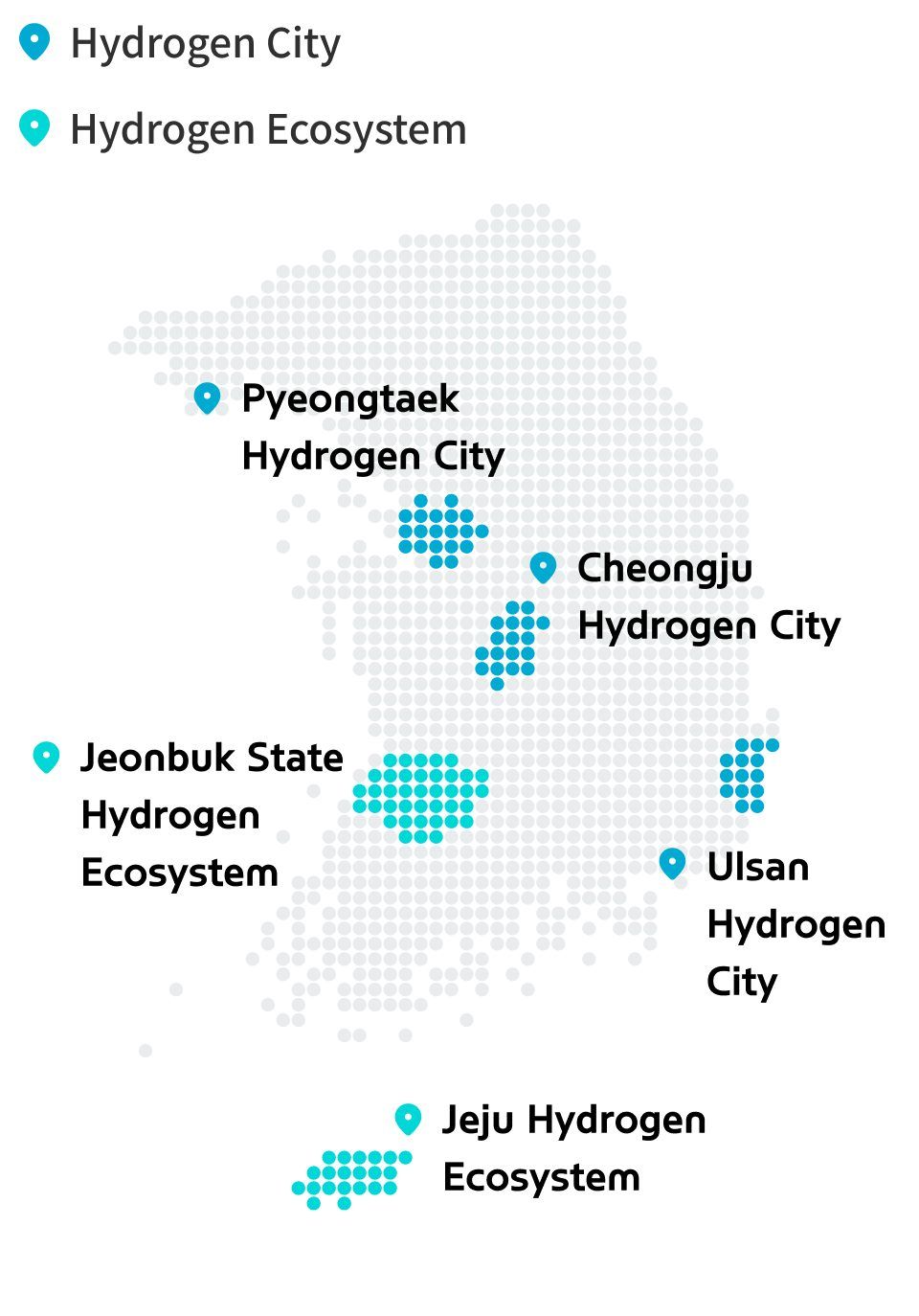
-
 Hydrogen City
-
 Hydrogen Ecosystem


-
Pyeongtaek
Hydrogen City -
Cheongju Hydrogen City
-
Ulsan Hydrogen City
-
Jeonbuk State
Hydrogen Ecosystem -
Jeju Hydrogen
Ecosystem
Building Hydrogen Cities Across Korea
Hyundai is participating in the Ministry of Land, Infrastructure and Transport’s Initiative, helping establish demonstration models that integrate hydrogen across urban environments. Through projects in Pyeongtaek, Cheongju and Ulsan, Hyundai is advancing hydrogen applications across residential, transportation and industrial sectors, contributing to the growth of Korea’s hydrogen ecosystem.
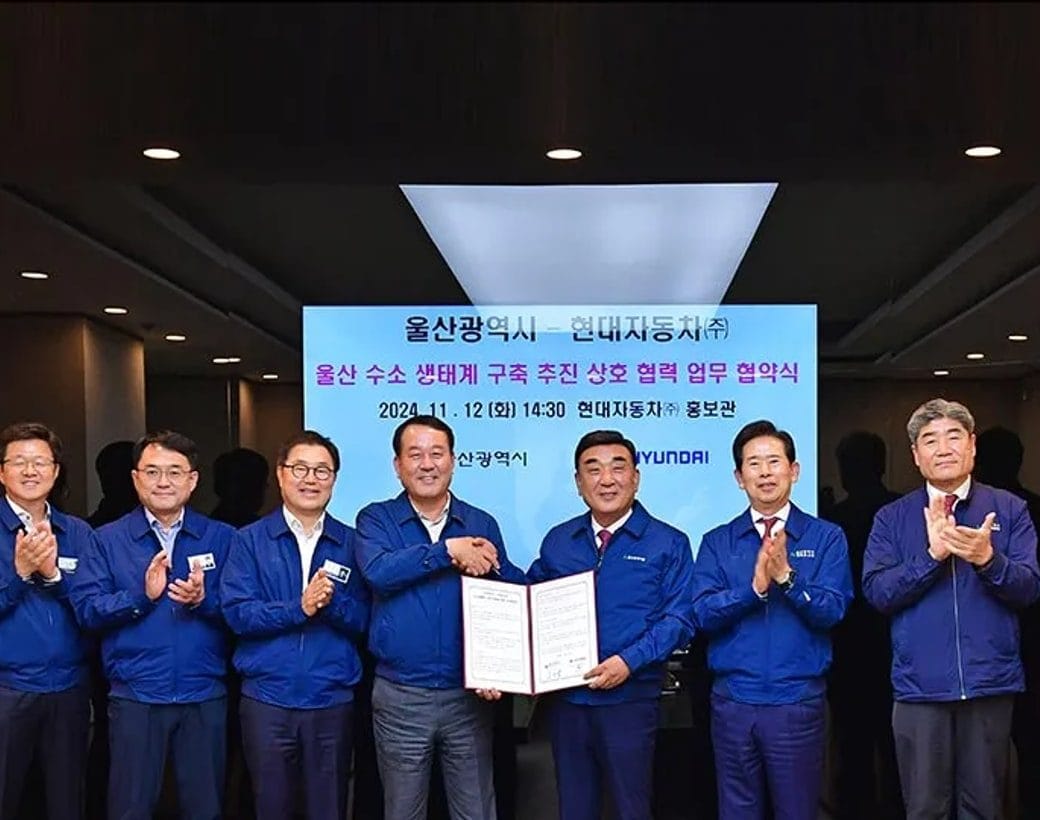
Ulsan Hydrogen City
Designated as the world’s first Hydrogen Demonstration City in 2019, Ulsan is working with Hyundai to advance and validate clean hydrogen production technologies, including water electrolysis, improve hydrogen supply and distribution systems, and expand the adoption of hydrogen mobility solutions such as fuel cell electric trucks and forklifts.
Building on these efforts, Ulsan is creating a comprehensive hydrogen ecosystem that extends beyond mobility and supports the broader transition toward a hydrogen society.
-

Fuel Cell Electric Tram
Development of a fuel cell electric tram and completion of 5,000 km of demonstration testing (Jul. 2021–Mar. 2024)
-

Fuel Cell Electric Truck (Tractor)
Demonstration of three fuel cell electric trucks (tractors) on commercial freight routes
-

Hydrogen Refueling Station
Deployment of 13 hydrogen refueling stations, including five pipeline-supplied stations
-

Fuel Cell Electric Bus
Deployment of fuel cell electric buses for city, regional, and charter services
-

Fuel Cell Power Generator
Ongoing fuel cell power generation demonstration and performance evaluation projects with a total capacity of 3 MW*
* 1 MW demonstration project at Korea East-West Power + 2 MW performance evaluation project at Ulsan Technopark
-

Hydrogen Pipeline
Completion of a 10.5 km hydrogen pipeline connecting Hyundai Motor Company’s Ulsan Plant to the existing 188 km hydrogen pipeline network in the Ulsan Industrial Complex
-

Hydrogen Burner
Expanding hydrogen burner applications from paint ovens at the Ulsan Plant to a wider range of high-temperature industrial equipment, including regenerative thermal oxidizers (RTOs), air handling units, and boilers
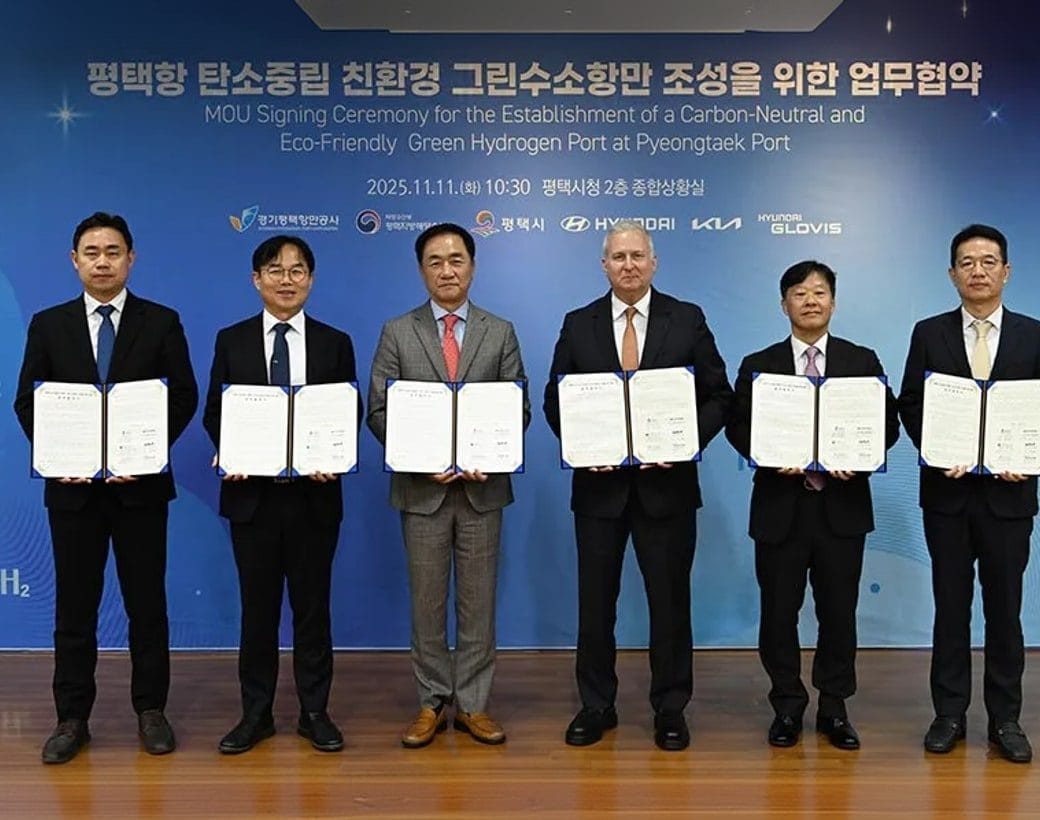
Pyeongtaek Hydrogen City
The project centers on establishing Korea’s first clean energy supply infrastructure within a port, located in the Poseung District of the Gyeonggi Free Economic Zone.
By 2028, a 16 km hydrogen pipeline network will connect hydrogen production facilities near Pyeongtaek Port with fuel cell power generators operated by Kia, Hyundai Glovis and Pyeongtaek International Automobile Terminal (PIRT). Building on this infrastructure, the project will further expand the hydrogen value chain through hydrogen-powered port equipment, commercial vehicles, refueling stations, and hydrogen and ammonia bunkering solutions.
-
Hydrogen Pipeline
Expansion of hydrogen pipeline infrastructure as part of the Pyeongtaek Hydrogen City project (approx. 1.2 km)
-
Fuel Cell Power
Generator (100 kW)Deployment of a 100 kW fuel cell power generator at Pyeongtaek Port’s automobile export and import terminal
-

Fuel Cell Electric
Car TransporterPilot operation of a hydrogen fuel cell electric car transporter on the route between Hyundai Motor Company’s Asan plant and Pyeongtaek port
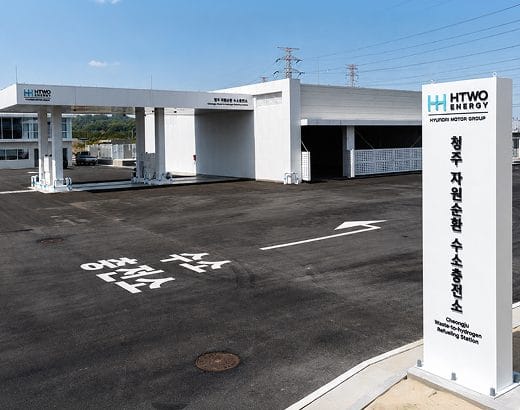
Cheongju Hydrogen City
Hyundai plans to quadruple hydrogen production at HTWO ENERGY Cheongju, a hydrogen production facility utilizing biogas.
Alongside expanded hydrogen refueling infrastructure and the deployment of hydrogen mobility solutions, Hyundai aims to accelerate the growth of the hydrogen ecosystem across Korea’s central inland region.
-

Waste-to-Hydrogen (W2H)
Waste-to-hydrogen (W2H) production utilizing biogas derived from sewage sludge
-
Fuel Cell Power Generator
Fuel cell power generators installed at the new Cheongju City Hall and National Sports Center
-
Expansion of Hydrogen
Refueling StationsExpansion of hydrogen refueling stations in Cheongju Garosu-gil
-

Hydrogen Tube Trailer
Deployment of hydrogen tube trailers
Building Korea’s Hydrogen Ecosystem
In collaboration with national and local governments, Hyundai is building an integrated hydrogen ecosystem spanning production, storage, transportation and utilization. By expanding localized hydrogen models tailored to regional characteristics, Hyundai is contributing to the growth of Korea’s hydrogen economy.
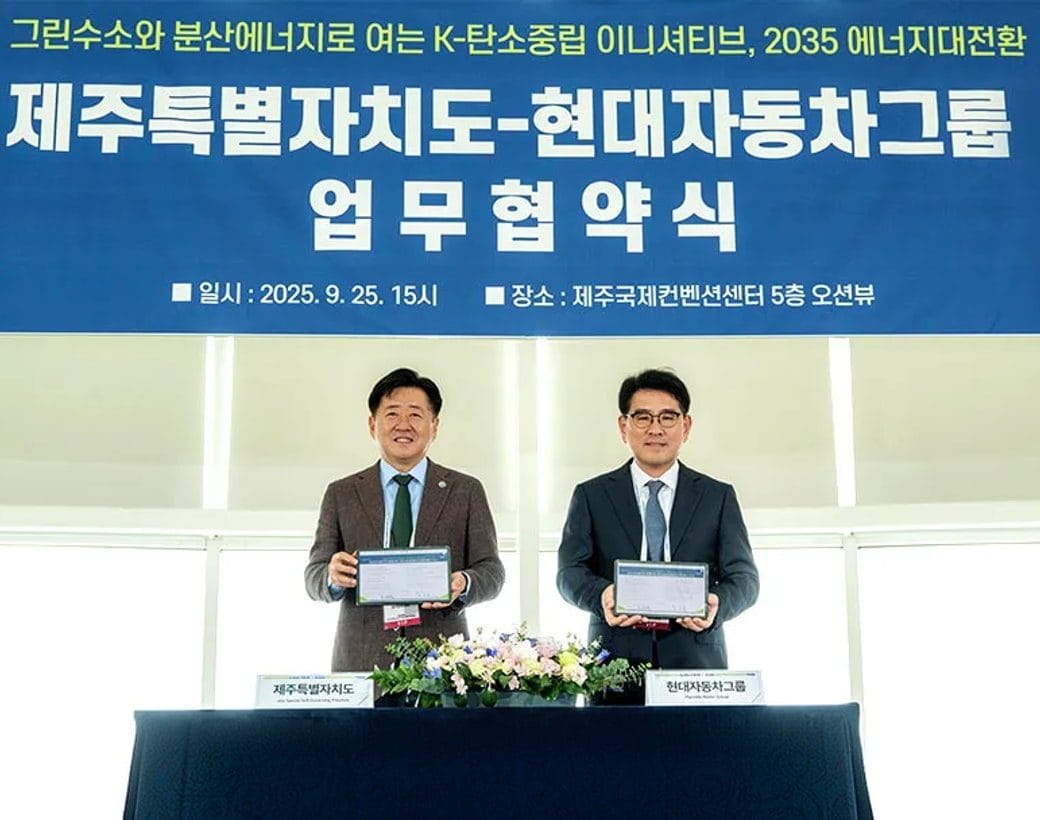
Jeju Hydrogen Ecosystem
Jeju is ideally positioned to lead the transition to clean hydrogen, supported by abundant renewable energy resources. However, grid capacity constraints make large-scale green hydrogen production through water electrolysis essential for utilizing surplus renewable electricity.
To address this opportunity, Hyundai is working with Jeju Special Self-Governing Province to establish a green hydrogen ecosystem, targeting annual hydrogen production of 60,000 tonnes by 2035 through PEM electrolysis technology.

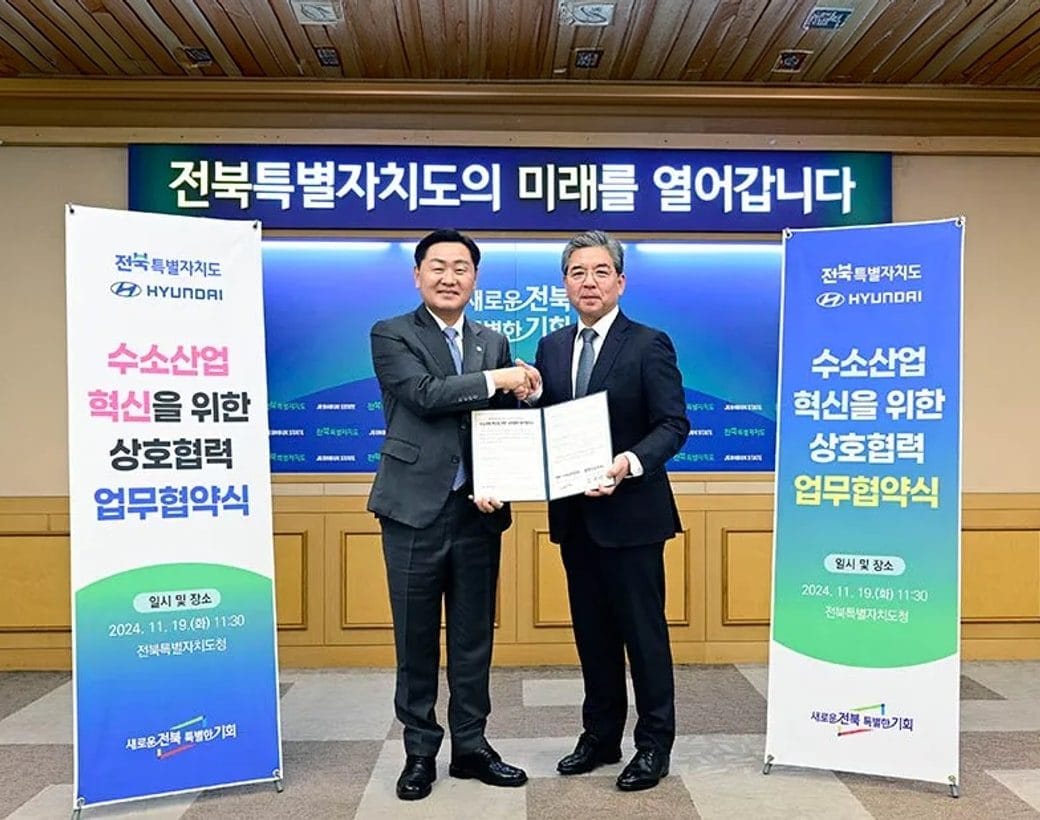
Jeonbuk State Hydrogen Ecosystem
Hyundai has worked closely with Jeonbuk State to advance the regional hydrogen ecosystem, beginning with the world’s first mass-production system for hydrogen-powered commercial vehicles and Korea’s first commercial vehicle hydrogen refueling station at the Hyundai Motor Company Jeonju Plant in 2020. Hyundai has also expanded hydrogen mobility through the deployment of fuel cell electric buses in Jeonju.
Building on this foundation, Hyundai signed an MOU for the Development of Advanced Robotics and Hydrogen Industries in Saemangeum and the Creation of an AI Valley, supporting the development of an advanced industrial ecosystem where humans, robots and AI coexist.
-

Water Electrolysis
(Buan-gun) Completion of a 2.5 MW hydrogen production facility (EPC) / Planned deployment and demonstration of Hyundai Motor Company’s 1 MW PEM water electrolysis system (from 2027) / Construction of a 200 MW PEM water electrolysis plant in Saemangeum
-
Hydrogen Refueling Station
(Wanju-gun) Development of the Wanju Hydrogen Refueling Station (from 2026)
-
Fuel Cell Electric Bus
(Jeonbuk State) Operation of fuel cell electric commuter buses for the Jeonju Plant and deployment of fuel cell electric buses for city transit
-

Fuel Cell Electric
Cleaning Truck(Buan-gun) Deployment and operation of fuel cell electric cleaning trucks (from Apr. 2023)
-
Fuel Cell Power Generator
(Jeonbuk State) Planned deployment of fuel cell power generators for buildings (from 2027)
-

Fuel Cell Electric Forklift
(Jeonbuk State) Collaboration to identify demand for and deploy fuel cell electric forklifts in industrial complexes

Contact